Learning from Failure

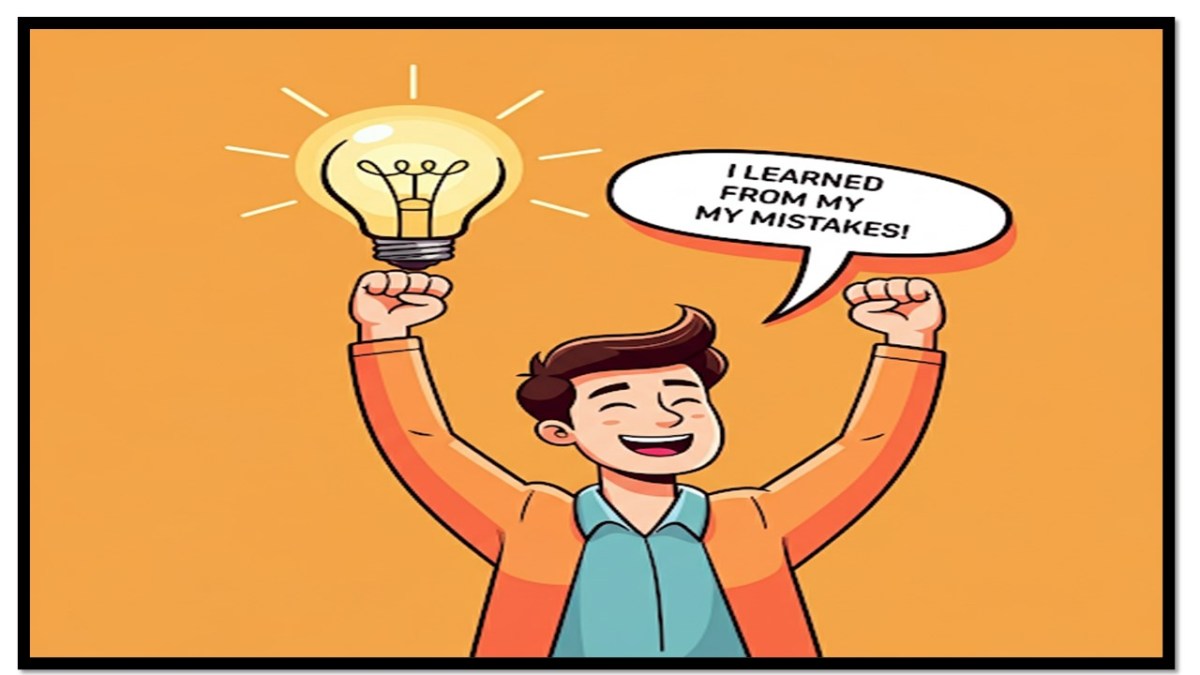
Failure is an inevitable part of the sales process, especially in a competitive industry like merchant services.

However, it doesn’t have to be a deterrent. In fact, it can be a powerful catalyst for growth and improvement. By embracing failure as a learning opportunity, you can transform setbacks into stepping stones to success.

Why Failure is a Good Thing

  • Humility: Failure can help you stay grounded and humble, preventing arrogance and complacency.
  • Resilience: Overcoming challenges builds resilience, enabling you to bounce back from future setbacks.
  • Adaptability: Analyzing your failures can help you identify areas where you need to improve your approach and adapt to changing market conditions.
  • Innovation: When faced with obstacles, you’re forced to think creatively and come up with innovative solutions.

Lessons Learned from Failure

  1. Understand Your Mistakes:
    • Identify the root cause: Was it a lack of product knowledge, poor communication skills, or a weak sales pitch?
    • Be specific: Instead of blaming external factors, pinpoint the exact actions or behaviors that led to the failure.
  2. Seek Feedback:
    • Ask for input: Talk to a friend, colleagues, or even the prospect to get their perspective.
    • Be receptive: Listen actively and avoid getting defensive.
  3. Learn from Others:
    • Study successful salespeople: Learn from their strategies, techniques, and mindset.
    • Network with peers: Share experiences and learn from each other’s mistakes.
  4. Practice Self-Compassion:
    • Be kind to yourself: Don’t beat yourself up over failures.
    • Focus on the future: Learn from the past, but don’t dwell on it.
  5. Take Action:
    • Develop a plan: Create a specific plan to address the areas where you need improvement.
    • Set achievable goals: Break down your goals into smaller, manageable steps.
    • Track your progress: Monitor your performance and celebrate your successes.

Building a Growth Mindset

A growth mindset is essential for overcoming failure and achieving long-term success. Here are some tips for cultivating a growth mindset:

  • Embrace challenges: View challenges as opportunities to learn and grow.
  • Persist in the face of setbacks: Don’t give up easily.
    • Learn from mistakes: Use failures as stepping stones to success.
    • Believe in yourself: Have confidence in your abilities.

By adopting a growth mindset and learning from your failures, you can become a more effective and resilient salesperson. Remember, failure is not the end; it’s just the beginning of a new learning opportunity.

Happy Selling,

David

Friday’s Top 10 Deadly Sins of Selling Merchant Services

It’s easy to make mistakes that can derail your success. To help you avoid these pitfalls, I’ve identified the 10 most common deadly sins. In today’s post , we’ll explore these sins and provide tips to help you stay on the path to sales success.

From the Home office in Hell, California.

Here are the Top 10 Deadly Sins of Selling Merchant Services

Sin 10: Neglecting to Build Relationships

While closing deals is important, building strong relationships with your clients is equally crucial. Take the time to understand their business needs, challenges, and goals. By building trust and rapport, you’ll be more likely to secure long-term partnerships and referrals.

Sin 9: Ignoring the Power of Follow-Up

Follow-up is a critical component of any sales process. After initial contact, continue to nurture the relationship by sending relevant information, answering questions, and scheduling follow-up calls. Consistent follow-up can help you stay top of mind and increase your chances of closing deals.

Sin 8: Failing to Adapt to Changing Market Conditions

The merchant services industry is constantly evolving. To stay ahead of the curve, it’s essential to stay informed about the latest industry trends, technologies, and regulations. By adapting to these changes, you can position yourself as a valuable resource to your clients.

Sin 7: Overlooking the Importance of Customer Service

Providing excellent customer service is essential for retaining clients and generating positive word-of-mouth referrals. Be responsive to your clients’ needs, address their concerns promptly, and go the extra mile to ensure their satisfaction.

Sin 6: Neglecting to Upsell and Cross-Sell

Once you’ve established a strong relationship with a client, consider opportunities to upsell and cross-sell additional products and services. This can help you increase your revenue and provide greater value to your clients.

Sin 5: Lacking Product Knowledge

This might seem obvious, but it’s a surprisingly common pitfall. You need to be an expert on your products and services, inside and out. This includes understanding pricing, features, benefits, and how they compare to the competition. Without this knowledge, you’ll struggle to effectively address client questions and concerns.

Sin 4: Poor Communication Skills

Effective communication is essential in any sales role, but especially in merchant services. You need to be able to clearly explain complex concepts, actively listen to client needs, and build rapport. This includes verbal, written, and even non-verbal communication.

Sin 3: Not Qualifying Leads Effectively

Not all leads are created equal. Spending time chasing unqualified leads is a huge waste of time and resources. Develop a system for qualifying leads based on factors like business size, processing volume, and industry. This will help you focus your efforts on the most promising prospects.

Sin 2: Focusing on Price Over Value

While price is always a factor, it shouldn’t be the sole focus of your sales pitch. Instead, emphasize the value your services provide. This could include increased efficiency, improved security, enhanced customer experience, or access to valuable data and analytics.

And the #1 Top 10 Deadly Sins of Selling Merchant Services is …

Sin 1: Failing to Ask for the business!

This is the ultimate sin in sales. You can do everything else right, but if you don’t ask for the business, you’re unlikely to get it. Be confident, be clear, and don’t be afraid to ask for the sale.

Avoiding these 10 deadly sins will significantly increase your chances of success. Remember, it’s not just about closing deals, it’s about building long-term relationships and providing real value to your clients.

Now go and sin no more.

Have a great weekend,

David

Time is Money

In sales every minute counts when you’re building relationships, closing deals, and growing your portfolio. That’s why mastering time management is essential for success in merchant services sales.

Here’s how effective time management can give you the edge:

1. Maximize Productivity, Increase Sales:

  • Prioritize Leads: Not all leads are created equal. Implement a system to qualify leads and focus your energy on the most promising prospects. This might involve using a CRM to track interactions and identify hot leads.
  • Plan Your Day: Structure your day with intention. Schedule time blocks for prospecting, client meetings, follow-ups, and administrative tasks.
  • Eliminate Time Wasters: Identify and minimize activities that drain your time without yielding results. This could include excessive social media, unproductive meetings, or getting bogged down in emails.

2. Enhance Customer Relationships:

  • Prompt Communication: Respond to client inquiries quickly and efficiently. Timely communication builds trust and demonstrates professionalism.
  • Dedicated Client Time: Schedule regular check-ins with existing clients to nurture those relationships and identify potential upselling or cross-selling opportunities.
  • Efficient Onboarding: Streamline your onboarding process to get new clients up and running smoothly and quickly.

3. Reduce Stress and Improve Well-being:

  • Avoid Burnout: Effective time management prevents overwhelm and reduces the risk of burnout.
  • Achieve Work-Life Balance: By managing your time effectively, you can create clear boundaries between work and personal life, leading to greater satisfaction and well-being.

Tools and Techniques for Time Management Success:

  • CRM Software: A Customer Relationship Management (CRM) system can help you track leads, schedule appointments, and manage client interactions.
  • Calendar Blocking: Allocate specific time slots in your calendar for different tasks.
  • The Pomodoro Technique: Work in focused bursts with short breaks to maintain concentration and productivity.
  • Task Batching: Group similar tasks together to streamline your workflow.

Time management is not just about doing things faster; it’s about doing the right things at the right time. By implementing effective time management strategies, you can boost your productivity, strengthen client relationships, and achieve greater success in the competitive world of merchant services sales.

Happy Selling,

David

The Rule of 3

Ever heard the saying, “Repetition is the mother of learning?” Well, in sales, it’s also the mother of closing deals!

One of the oldest and most effective sales strategies is leveraging the power of repetition. It’s a simple principle: people need to hear something multiple times before it truly sinks in.

And there’s a magic number: three. Studies show that repeating a key point three times is the sweet spot for making a lasting impression on your prospects. Here’s why:

1. Cut Through the Noise:

Sales conversations can be a whirlwind of information. Your prospect is juggling a million things, and your message might get lost in the shuffle. Repeating key points ensures clarity. Think of it like this:

  • First mention: You introduce the idea.
  • Second mention: You reinforce it, adding depth and context.
  • Third mention: You solidify it in their mind, making it memorable.

2. Build Trust with Familiarity:

We naturally gravitate towards the familiar. Hearing something multiple times builds a sense of comfort and trust. By repeating key points (without being overly pushy!), you create a sense of familiarity and confidence in your message. This helps your prospect feel more secure in their decision to choose you.

3. Reach Every Listener:

Everyone learns differently. Some people are auditory learners, grasping information quickly when they hear it. Others might need visual aids or a different phrasing to truly understand. By repeating your message in different ways throughout the conversation, you cater to diverse learning styles, increasing the odds that your message resonates.

Mastering the “Rule of Three”

Here’s how to weave this technique into your sales conversations:

  • Introduce: Present your key point early on in the conversation.
  • Reinforce: Bring it up again later, providing additional context, benefits, or examples.
  • Summarize: Reiterate the point towards the end of your conversation, ensuring it’s one of the last things your prospect hears.

By strategically repeating your message, you’ll not only make a lasting impression but also significantly boost your chances of turning prospects into happy customers. It’s a classic technique that truly stands the test of time!

Happy Selling,

David

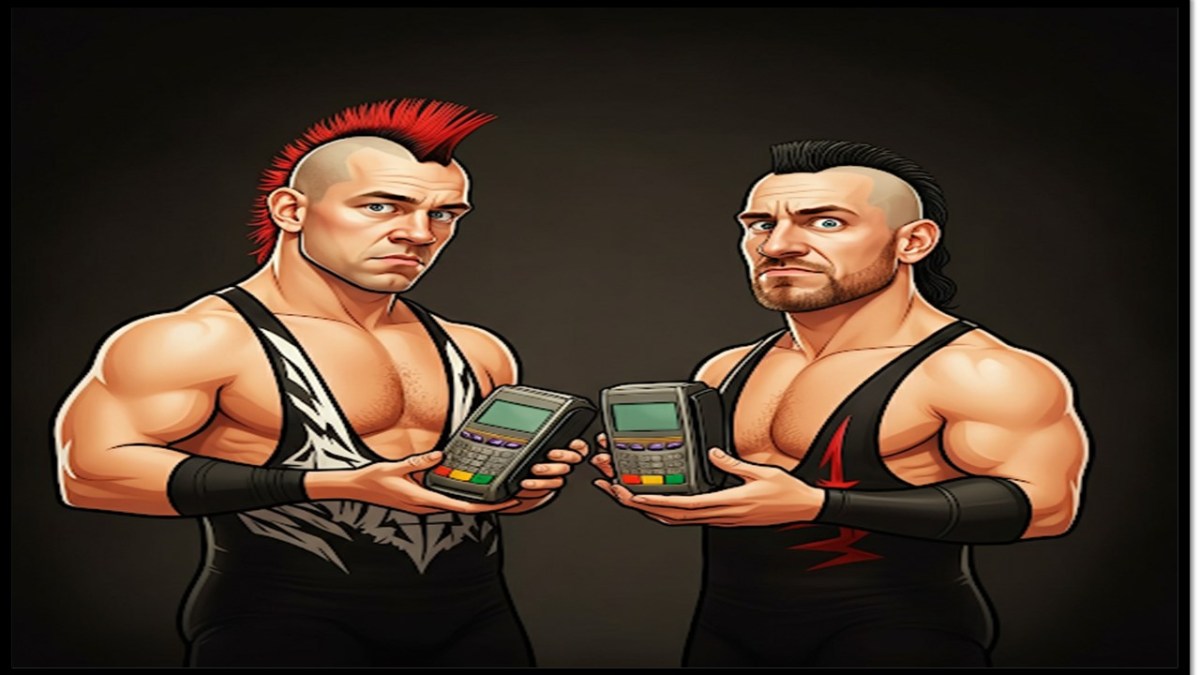
Get Ready to Rumble! How Selling is Like Professional Wrestling

Think selling is all about spreadsheets and presentations? Think again! It’s more like stepping into the ring for a high-stakes wrestling match. To win over those clients, you need to master the art of showmanship, strategy, and building a connection with your audience.

Here’s how the world of professional wrestling can teach you a thing or two about closing deals:

1. Know Your Character (and Your Audience):

Just like every wrestler has a persona, you need to develop a strong sales identity. Are you the technical expert, the trusted advisor, or the energetic problem-solver? Know your strengths and tailor your approach to your audience. Just like a wrestler wouldn’t use the same moves on every opponent, you need to adapt your pitch to each client’s needs and personality.

2. Build the Hype:

In wrestling, the pre-match hype is crucial for getting the crowd invested. Similarly, in sales, you need to generate excitement and anticipation before your pitch. This could involve sending a personalized email, highlighting a recent success story, or offering a valuable resource upfront.

3. Master Your Moves (and Your Product):

Wrestlers spend years perfecting their signature moves. As a merchant services salesperson, you need to be equally fluent in your product knowledge. Know the ins and outs of your offerings, anticipate objections, and be ready to counter with solutions that address their specific needs.

4. Tell a Story:

Every wrestling match tells a story, complete with heroes, villains, and dramatic twists. Similarly, your sales pitch should weave a compelling narrative that resonates with your client. Show them how your service can help them overcome challenges, achieve their goals, and ultimately become the “champion” of their business.

5. Work the Crowd (Build Rapport):

Wrestlers know how to work the crowd, playing to their emotions and getting them invested in the match. As a salesperson, you need to build rapport with your clients, establish trust, and demonstrate that you genuinely care about their success.

6. Create Some Drama (Highlight Pain Points):

A good wrestling match has moments of tension and drama that keep the audience on the edge of their seats. In your sales pitch, don’t be afraid to highlight the pain points your client is experiencing and create a sense of urgency for your solution.

7. Go for the Pin (Close the Deal):

Just like a wrestler aims for the pin, you need to be confident and assertive when closing the deal. Don’t be afraid to ask for their business and clearly outline the next steps.

8. Don’t Forget the Tag Team (Leverage Support):

Wrestlers often rely on their tag team partners for support. Similarly, you can leverage your company’s resources, such as customer support, technical experts, or marketing materials, to strengthen your pitch and provide a comprehensive solution.

Selling merchant services may not involve body slams or steel chairs, but it does require a similar level of strategy, showmanship, and audience awareness. By channeling your inner wrestling persona, you can deliver a knockout pitch that leaves your clients ready to sign on the dotted line.

Happy Selling,

David

Happy Presidents’ Day

It’s Presidents’ Day! Sure, it means a day off work, closed banks, and mattress sales galore. But beyond the long weekend perks, how well do you really know the history behind this patriotic holiday?

Get ready to impress your friends and family with these fascinating presidential tidbits:

  • It’s Officially Still “Washington’s Birthday”: Despite the common name, the federal government never officially changed the holiday’s name to Presidents’ Day.
  • No President Actually Has a Birthday on Presidents’ Day: The third Monday of February never aligns with any presidential birthday.
  • It Used to be Celebrated on George Washington’s Actual Birthday: February 22nd was the original date, commemorating the first president’s birth.
  • The “Uniform Monday Holiday Act” Changed Everything: This 1968 act shifted several holidays to Mondays to create more three-day weekends.
  • It’s a Day for Remembering ALL Presidents: While initially focused on Washington, it’s now a day to honor the legacies of all U.S. presidents.
  • Some States Celebrate Extra Presidents: Arkansas honors Daisy Gatson Bates, a civil rights activist, alongside Washington. Alabama celebrates both Washington and Thomas Jefferson.

Bonus Fun Fact: Did you know that Ulysses S. Grant once got a speeding ticket for riding his horse too fast in Washington D.C.? (Talk about presidential horsepower!)

Now, for a little motivational boost for my fellow salespeople:

Just like Presidents’ Day honors the legacies of past leaders, let’s strive to leave our own legacy of exceptional service and customer relationships. Go out there and make this Presidents’ Day a record-breaking success! Remember, behind every great sale is a salesperson who believes in their services and their ability to connect with the prospects.

Happy selling!

David

Friday’s Top 10 Quirky Valentine’s Day Facts to Sweeten Your Sales Pitch

Valentine’s Day is here, and love is in the air! But beyond the roses and chocolates lies a treasure trove of fascinating trivia that can add a spark to your customer interactions and spice up your sales game.

From the home office in Romance, Arkansas:

Here are this Friday’s Top 10 Quirky Valentine’s Day

Facts to Sweeten Your Day….

10. Cupid’s Arrows Were Once Thought to Cause Painful Love

Forget the cute cherub we know today. In ancient Roman mythology, Cupid’s arrows weren’t just about sparking romance; they were believed to inflict agonizing, obsessive love. Share this tidbit with your clients who sell pain relief products – a humorous way to connect the holiday to their business!

9. Valentine’s Day Spending Isn’t Limited to Lovers

While romantic love takes center stage, Valentine’s Day spending extends to friends, family, and even pets! Remind your veterinarian and pet store clients to capitalize on this trend with themed toys and treats.

8. The Tradition of Giving Valentine’s Day Cards Started in the 15th Century

The oldest known Valentine’s Day message dates back to 1415, a poem written by Charles, Duke of Orleans, to his wife while imprisoned in the Tower of London. This fun fact can be a great conversation starter with your clients who sell stationery, gifts, or greeting cards.

7. Conversation Hearts Were Originally Medical Lozenges

Those candy hearts with cute messages? They started as throat lozenges! A fun way to connect with your pharmacy or candy store clients.

6. Red Roses Were Aphrodite’s Favorite Flower

In Greek mythology, red roses symbolize passion and deep love, associated with the goddess Aphrodite. A useful tip for your florist clients to share with their customers.

5. Teachers Receive the Most Valentine’s Day Cards

After spouses and partners, teachers receive the most Valentine’s Day cards, followed by children, mothers, and then fathers. A good reminder for your clients who sell classroom supplies or children’s gifts to stock up accordingly.

4. Single People Celebrate Too!

“Galentine’s Day” is a growing trend where women celebrate their friendships on February 14th. Encourage your restaurant and bar clients to promote specials for groups of friends.

3. Chocolate is the Most Popular Valentine’s Day Gift

Over 58 million pounds of chocolate are bought during Valentine’s week. A sweet reminder for your confectionery clients to prepare for the rush!

2. More Than 1 Billion Valentine’s Day Cards Are Exchanged Each Year

Second only to Christmas, Valentine’s Day is the biggest card-giving holiday. A valuable insight for your clients in the greeting card and postal industry.

And the #1 Top 10 Quirky Valentine’s Day Facts to Sweeten Your Day is …

1. Valentine’s Day Spending is a Huge Boost for Businesses

Americans spend an average of $144 on Valentine’s Day gifts. This is a powerful point to highlight to all your clients, emphasizing the importance of effective payment processing solutions to capitalize on this lucrative holiday.

So go spread the love (and boost your sales) this Valentine’s Day! Use these fun facts to connect with your clients, show them you care, and remind them that you’re the partner they need to succeed in this busy season.

Happy Valentine’s Day!

Have a Great Weekend,

David

Two Salesmen, One Opportunity

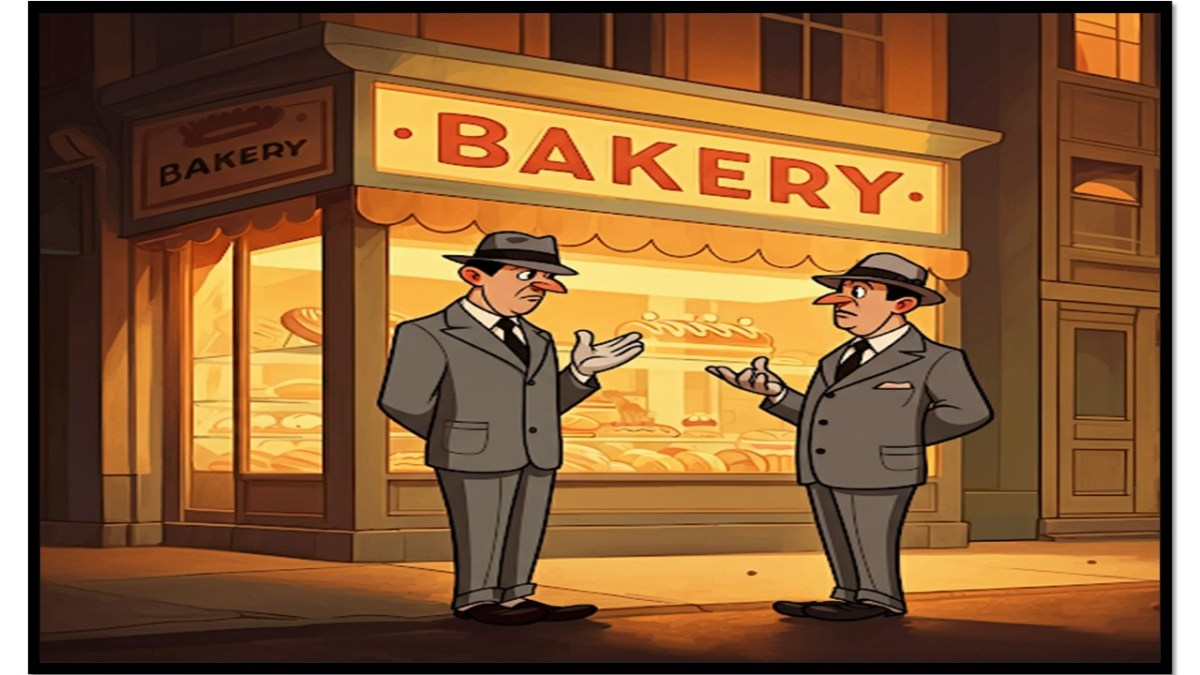
The air crackled with anticipation as two salesmen, lets call them Mike and Ike, prepared for their meetings with Mr. Johnson, the owner of a busy local bakery. Both were eager to secure his business, but their approaches differed drastically.

Mike, the master of preparedness, had done his homework. He researched Mr. Johnson’s bakery, analyzed his current payment processing system, and tailored a proposal outlining the specific benefits his company could offer. He had visualized the meeting, practiced his pitch, and even prepared answers to potential objections.

Ike, on the other hand, preferred a more “wing it” approach. He believed in his natural charm and improvisational skills. He skimmed Mr. Johnson’s website and grabbed some generic brochures, figuring he could figure out the rest on the fly.

The meetings unfolded as you might expect:

Mike’s meeting with Mr. Johnson was a symphony of professionalism. He confidently presented his customized proposal, highlighting the potential value and efficiency gains of working with him for his bakery. He answered Mr. Johnson’s questions with clarity and addressed his concerns with empathy. He was confident and competent.

Ike’s meeting, however, was more of a stumbling improvisation. He struggled to answer Mr. Johnson’s specific questions, fumbled through his generic brochures, and offered vague solutions. He appeared disorganized and unprepared, leaving Mr. Johnson with more questions than answers.

The outcome was no surprise:

Mr. Johnson, impressed by Mike’s preparedness and tailored solutions, decided to partner with him. Mike, despite his friendly demeanor, Ike lost the deal due to his lack of preparation.

The moral of the story?

In sales, preparation is paramount. It’s the key to building trust, demonstrating expertise, and ultimately, winning clients.

Here are some key takeaways:

  • Research is your weapon: Know your client’s business inside and out.
  • Tailor your pitch: Offer solutions that address their specific needs.
  • Practice makes perfect: Rehearse your presentation and anticipate questions.
  • Be organized: Have your materials ready and easily accessible.
  • Have confidence: Believe in yourself and your ability to help your clients.

By following these principles, you can have Mike’s success and avoid Ike’s pitfalls. Remember, in the world of sales, fortune favors the prepared professional!

Happy Selling,

David

Escape the Car, Conquer the Sale

Allow me to set the scene, the engine idles, the seat warmers are on, and your phone feels glued to your hand. Sound familiar? For many of us in sales, the biggest obstacle isn’t closing the deal, it’s getting out of the darn car to prospect in the first place.

That parking lot, that storefront… they suddenly feel like Mount Everest. But just like any summit, the view from the top – a signed agreement – is worth the climb. Here’s how to conquer that driveway dread and start raking in those referrals:

1. Reframe the Fear:

  • It’s not rejection, it’s redirection: Every “NO” brings you closer to a “YES.” See each conversation as a step forward, not a personal failure.
  • You’re offering solutions, not annoyance: Business owners need what we offer. Position yourself as a helpful advisor, not just another salesperson.

2. Prep for Success:

  • Know your ideal client: Target businesses that truly benefit from your services. This focused approach boosts your confidence and their receptiveness.
  • Perfect your elevator pitch: A concise, compelling intro is crucial. Highlight the key benefits of your services in 30 seconds or less.
  • Pack your “leave-behinds”: Brochures, case studies, even a small gift – something tangible to keep you top-of-mind.

3. Turn the Key and Go:

  • Start small: Begin with businesses you frequent or feel comfortable with. Early wins build momentum.
  • Set daily goals: Even just 2-3 visits per day can make a huge difference. Consistency is key.
  • Focus on building rapport: A genuine conversation goes a long way. Ask questions, listen actively, and find common ground.

4. Embrace the Power of “NO”:

  • Learn from objections: “No” often provides valuable insights. Analyze the reasons and refine your approach.
  • Don’t give up easily: Sometimes a “not now” can become a “YES” later. Follow up strategically and stay on their radar.

5. Celebrate Your Wins:

  • Acknowledge your courage: Every time you step out of that car, you’re winning. Recognize your efforts and celebrate your progress.
  • Track your successes: Keep a record of your visits, conversations, and closed deals. This visual reminder fuels motivation.

Prospecting is a muscle that gets stronger with use. The more you do it, the easier it becomes. So, turn off the engine, take a deep breath, and step out of your comfort zone.

Now go out there and make those sales!

Happy Selling,

David

Are You Crushing the Day, or Is It Crushing You? A quick Pep Talk

Okay, let’s get real. This job isn’t a walk in the park. It’s a hustle. It’s a grind. Some days, you feel like a rockstar, closing deals left and right. Other days? Well, let’s just say those “NO’s” can hit harder than a double shot of espresso on an empty stomach.

But here’s the thing: you control your day. You control your mindset. You control whether you’re the hammer or the nail.

So how do you make sure you’re the one crushing it, every single day? Here’s the game plan:

1. Start Strong. Finish Stronger.

  • Morning Routine is Key: Don’t hit snooze! Get up, get moving, and get focused. Exercise, meditate/pray, visualize your success – whatever gets you in the zone.
  • Plan Your Attack: Prioritize your leads, set realistic goals, and map out your day.
  • End with Intention: Review your day, celebrate your wins (no matter how small!), and plan for tomorrow.

2. Embrace the “NO.”

  • It’s Not Personal: Rejection is part of the game. Don’t take it to heart.
  • Learn from It: Every “NO” is an opportunity to improve. Analyze what happened, adjust your approach, and move on.
  • Use It as Fuel: Let rejection fire you up! Prove those doubters wrong.

3. Sharpen Your Sword.

  • Product Knowledge is Power: Know your services inside and out. Be the expert.
  • Master Your Pitch: Practice, practice, practice! Make it clear, concise, and compelling.
  • Stay Ahead of the Curve: Keep learning about industry trends, new technologies, and your competitors.

4. Build Relationships. Not Just Sales.

  • Be a Consultant, Not a Salesperson: Focus on solving your clients’ problems, not just pushing products.
  • Listen More Than You Talk: Understand their needs, their pain points, and their goals.
  • Follow Up and Follow Through: Stay in touch, provide excellent service, and build long-term relationships. The Money is in the follow up!

5. Celebrate the Wins!

  • Acknowledge Your Success: Big or small, every win deserves recognition.
  • Reward Yourself: Treat yourself to something special when you hit those milestones.
  • Share Your Success: Inspire your team and celebrate together.

Remember, this is a marathon, not a sprint. There will be ups and downs, wins and losses. But with the right mindset, the right tools, and the right attitude, you can crush this day, and every day.

Now go out there and make it happen!

Happy Selling,

David