FOCUS

To be successful in sales focus is your superpower. It’s the key to unlocking your full potential, overcoming challenges, and achieving extraordinary results.

Why Focus Matters

  • Enhanced Productivity: A focused mind is a productive mind. You’ll accomplish more in less time.
  • Improved Decision-Making: Clear focus allows you to make informed decisions quickly and confidently.
  • Increased Sales: A focused approach helps you build stronger relationships with clients and close more deals.
  • Reduced Stress: When you’re focused, you’re less likely to feel overwhelmed or stressed.

Tips to Ignite Your Focus

  1. Set Clear Goals:
    • Define Your Vision: Clearly articulate your short-term and long-term goals.
    • Break It Down: Divide larger goals into smaller, actionable steps.
    • Prioritize Tasks: Focus on the most important tasks first.
  2. Create a Focused Workspace:
    • Minimize Distractions: Find a quiet, clutter-free environment.
    • Optimize Your Setup: Ensure you have all the necessary tools and technology.
    • Eliminate Unnecessary Noise: Use noise-canceling headphones or background noise apps.
  3. Practice Mindfulness:
    • Mindful Breathing: Take deep breaths to calm your mind.
    • Meditation: Spend a few minutes each day meditating to reduce stress.
    • Exercise: Physical activity can improve focus and reduce anxiety.
  4. Effective Time Management:
    • Time Blocking: Allocate specific time blocks for different tasks.
    • Pomodoro Technique: Work in focused 25-minute intervals, followed by short breaks.
    • Avoid Multitasking: Focus on one task at a time for better productivity.
  5. Master the Art of Active Listening:
    • Pay Attention: Give your full attention to your clients.
    • Ask Questions: Encourage dialogue and gather valuable information.
    • Summarize Key Points: Ensure understanding and build rapport.
  6. Continuous Learning:
    • Stay Updated: Keep up with the latest industry trends and technologies.
    • Seek Mentorship: Learn from experienced sales professionals.
    • Attend Industry Events: Network with peers and gain new insights.

Remember, focus is a skill that can be developed and improved over time. By implementing these strategies, you can ignite your focus, boost your productivity, and achieve extraordinary success in your merchant services sales career.

What techniques do you use to stay focused? Share your tips in the comments below.

Happy Selling,

David

Friday’s Top 10 TV Shows for Sales Professionals

Need some sales inspiration that doesn’t involve a trip to the movie theater? Look no further than your TV screen! From classic sitcoms to intense dramas, these shows offer valuable lessons on closing deals, building relationships, and mastering the art of persuasion. So grab the remote and get ready for a binge-watching session with this Friday’s Top 10 TV Sales Shows for Salespeople:

From the Home office in Scranton, Pennsylvania,

Here are this Friday’s Top 10 TV Sales Shows for Salespeople

10. Succession

Sales Lesson: This satirical drama dives deep into the world of media moguls, showcasing high-stakes negotiations, power dynamics, and the art of persuasion at the highest level. Watch how the Roy siblings and their associates maneuver, manipulate, and close deals that can make or break empires.

Why it matters for Salespeople: “Succession” provides a glimpse into the world of complex deal-making, emphasizing the importance of strategic thinking, reading people, and leveraging relationships to achieve your goals.

9. The Office

Sales Lesson: While Michael Scott might not be the ideal sales manager, this hilarious sitcom offers a surprisingly insightful look at the dynamics of a sales team. Observe how different personalities approach their work, deal with office politics, and strive to meet their quotas (with varying degrees of success).

Why it matters for Salespeople: “The Office” reminds us to find humor in the everyday challenges of sales, build strong relationships with colleagues, and always strive for a positive work environment.

8. Parks and Recreation

Sales Lesson: Though not explicitly about sales, this heartwarming comedy showcases the power of passion, creativity, and community engagement. Leslie Knope’s unwavering enthusiasm and dedication to her work are infectious, and her ability to rally support for her ideas is a valuable skill for any salesperson.

Why it matters for Salespeople: This show reminds us that building relationships, understanding your audience, and genuinely believing in your product or service are essential for success.

7. Silicon Valley

Sales Lesson: This satirical comedy dives into the fast-paced world of tech startups, highlighting the challenges of pitching ideas, securing funding, and navigating a competitive market. Watch how Richard Hendricks and his team overcome obstacles, adapt to change, and ultimately strive to bring their vision to life.

Why it matters for Salespeople: In today’s rapidly evolving business landscape, it’s crucial to be adaptable, innovative, and able to effectively communicate the value of your product or service.

6. Shark Tank

Sales Lesson: This reality show offers a front-row seat to the high-stakes world of pitching and negotiation. Observe how entrepreneurs present their ideas, handle objections, and ultimately try to secure investments from the “Sharks.”

Why it matters for Salespeople: “Shark Tank” provides valuable insights into crafting a compelling pitch, anticipating questions, and confidently presenting your value proposition.

5. Mad Men

Sales Lesson: Set in the glamorous world of 1960s advertising, this drama explores the art of persuasion, branding, and understanding consumer psychology. Don Draper’s charismatic persona and ability to craft compelling narratives offer a masterclass in influence and closing deals.

Why it matters for Salespeople: “Mad Men” reminds us of the importance of building a strong brand, understanding your target audience, and tailoring your message to resonate with their desires and aspirations.

4. Billions

Sales Lesson: This intense drama delves into the world of high finance, showcasing the power of negotiation, risk-taking, and strategic thinking. Bobby Axelrod’s relentless pursuit of success and his ability to navigate complex deals offer valuable lessons in closing high-stakes deals.

Why it matters for Salespeople: “Billions” highlights the importance of understanding your market, building strong relationships, and staying ahead of the competition.

3. Suits

Sales Lesson: This legal drama might not seem like an obvious choice for a sales list, but it’s packed with scenes of negotiation, persuasion, and closing deals. Harvey Specter’s confident demeanor and strategic approach to winning cases offer valuable lessons in building rapport and influencing others.

Why it matters for Salespeople: “Suits” emphasizes the importance of preparation, confidence, and thinking on your feet in high-pressure situation

2. The Apprentice

Sales Lesson: This reality show puts aspiring entrepreneurs through a series of challenging tasks designed to test their business acumen, including sales and negotiation skills. Observe how contestants handle pressure, work as a team, and strive to impress their demanding boss.

Why it matters for Salespeople: “The Apprentice” highlights the importance of leadership, teamwork, and problem-solving in a competitive business environment.

And the # 1 Top 10 TV Sales Shows for Salespeople is ….

1. The Profit

Sales Lesson: “The Profit” offers a masterclass in business turnaround, and Marcus Lemonis’s approach, particularly his focus on People, Process, and Product, can be directly applied to selling merchant services.

The 3 P’s of Selling Merchant Services (The Profit Style):

  • People: In merchant services, your “people” are multifaceted:
    • Yourself: You are the face of your business. Lemonis emphasizes authenticity and integrity. Be genuine, build trust, and demonstrate your expertise. Invest in your own training and development to become a trusted advisor, not just a salesperson. This also includes the team you build around you, if applicable.
    • Your Clients (Merchants): Understand their needs intimately. Don’t just sell a product; offer solutions. Lemonis digs deep to understand a business’s challenges. Do the same. Ask questions, listen actively, and tailor your pitch to their specific situation. Are they struggling with chargebacks? Do they need mobile payment solutions? Are their rates too high? Address their pain points directly.
    • Your Support Team: The back-end support you offer is crucial. A smooth onboarding process, responsive customer service, and readily available technical assistance are vital for client retention. Just like Lemonis relies on his team, you need a reliable support system to ensure client satisfaction.
  • Process: A streamlined and efficient process is essential for success:
    • Sales Process: Develop a clear and consistent sales process, from prospecting to closing and onboarding. Lemonis is a stickler for systems. Create a CRM system to track leads, manage communication, and follow up effectively. Have standardized presentations and proposals ready.
    • Onboarding Process: Make the transition to your merchant services as seamless as possible for the client. Provide clear instructions, offer training, and ensure their equipment is set up correctly. A smooth onboarding process leads to happy, long-term clients.
    • Customer Service Process: Establish a clear process for handling customer inquiries and issues. Respond promptly and efficiently to questions and concerns. Proactive communication is key. Don’t wait for problems to arise; check in with your clients regularly to ensure they’re satisfied.
  • Product: Your “product” is the suite of merchant services you offer:
    • Value Proposition: Clearly articulate the value of your services. Don’t just focus on price; highlight the benefits, such as increased efficiency, reduced costs, improved security, and better customer experience. Just like Lemonis evaluates the product’s quality, you need to understand the ins and outs of the services you offer and how they stack up against the competition.
    • Product Knowledge: Become an expert on your product offerings. Understand the different types of payment processing, POS systems, and other related services. Be able to answer any questions your clients may have.
    • Adaptability: The payments landscape is constantly evolving. Stay up-to-date on the latest technologies and trends. Be willing to adapt your product offerings to meet the changing needs of your clients. Lemonis constantly pushes businesses to innovate; you should do the same with your merchant services offerings.

By focusing on People, Process, and Product, you can transform your approach to selling merchant services, build stronger relationships with clients, and achieve greater success. Just like Marcus Lemonis, you can help businesses thrive by providing them with the right tools and support.

Have a great weekend,

David

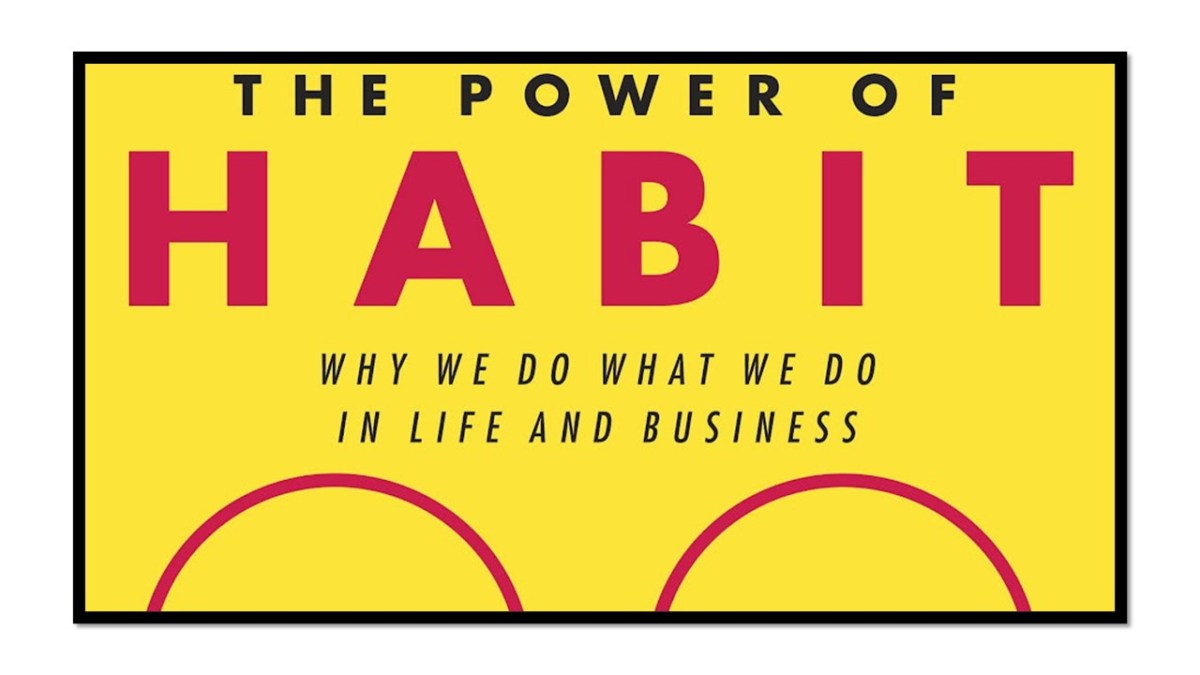
The Power of Habit

Let’s talk about smashing those sales goals. You know the drill: cold calls, demos, objections, the endless grind. But what if I told you there’s a secret weapon hiding in plain sight? It’s not some fancy CRM or closing tactic – it’s understanding the power of habit.

Charles Duhigg’s book , “The Power of Habit” isn’t just some self-help fluff. This book breaks down the science of habit formation, and trust me, it’s a game-changer for sales. Here’s how we can apply to selling merchant services:

1. Identify the “Habit Loop” of Your Prospects:

Duhigg talks about the “habit loop”: Cue, Routine, Reward. Think about your average merchant. What’s their cue to think about payment processing? Maybe it’s that clunky old terminal, reconciling monthly statements, or dealing with chargebacks. Their routine is likely sticking with the status quo, even if it’s costing them money. The reward? Avoiding the hassle of change.

Your mission? Disrupt that loop. Become the new routine by offering a better reward:

  • Cue: Target businesses with outdated technology or those clearly struggling with their current provider.
  • Routine: Position yourself as the expert advisor, offering a seamless transition and ongoing support.
  • Reward: Highlight the benefits – lower fees, faster processing, increased security, and valuable insights.

2. Hack Your Own Sales Habits:

Let’s be honest, we all have bad sales habits. Procrastination, relying on the same tired pitch, neglecting follow-ups – sound familiar? “The Power of Habit” shows us how to break those cycles:

  • Identify your bad habits: Track your daily activities and pinpoint areas for improvement. Are you spending too much time on low-potential leads? Are you avoiding those tough conversations?
  • Find your keystone habit: Duhigg argues that one “keystone habit” can trigger positive changes in other areas. For sales, this could be consistent prospecting, meticulous CRM use, or mastering a new closing technique.
  • Replace bad routines with good ones: Instead of dreading cold calls, reframe them as opportunities to build relationships. Instead of winging it, practice your pitch until it’s flawless.

3. Build Habit-Forming Solutions for Your Clients:

The stickiest merchant services solutions are the ones that become ingrained in a business’s operations. Think about:

  • Recurring billing: Make it easy for clients to automate payments and reduce churn.
  • Loyalty programs: Help them build customer relationships and encourage repeat business.
  • Data analytics: Provide valuable insights into their sales trends and customer behavior.

By offering solutions that become essential habits for your clients, you’ll not only close more deals but also build long-lasting partnerships.

“The Power of Habit” is more than just a book – it’s a blueprint for success. By understanding the science of habit formation, you can influence your prospects, optimize your own performance, and build lasting value for your clients. So, grab a copy, dive in, and get ready to crush your goals!

The Power of Habit can be found on Amazon, Kindle and Audible.

Happy Selling,

David

Keeping Your Cool When Family Drama Heats Up

The life of a salesperson is full of ups and downs. You’re constantly hustling, building relationships, and closing deals. But what happens when the drama isn’t with a client, but within your own family?

Family drama can be a major distraction, especially when you’re trying to stay focused on your goals. Here are a few tips to help you keep your cool and stay positive, even when things get tough at home:

1. Set Boundaries:

Just like with clients, setting boundaries with family is crucial. It’s okay to politely decline to engage in arguments or gossip. Remember, you can’t control other people’s behavior, but you can control how you react to it.

2. Practice Empathy (Even When It’s Hard):

Try to understand where your family members are coming from. Even if you don’t agree with their actions or opinions, acknowledging their feelings can help diffuse tension.

3. Focus on the Positive:

It’s easy to get caught up in negativity, but try to focus on the good things in your life. Your supportive partner, your amazing kids, that awesome new client you just landed – remember the things that bring you joy and gratitude.

4. Find Healthy Outlets:

Don’t bottle up your emotions. Find healthy ways to release stress, whether it’s hitting the gym, going for a run, meditating, or talking to a trusted friend.

5. Remember Your “WHY”:

You’re working hard in merchant services to provide for your family and build a better future. Keep that “why” in mind when things get stressful. It can help you stay motivated and focused on your goals.

6. Don’t Bring Family Drama to Work:

Your clients and colleagues don’t need to be involved in your family’s issues. Leave personal problems at home and focus on your professional responsibilities.

7. Seek Support When Needed:

If family drama is becoming overwhelming, don’t hesitate to seek support from a therapist or counselor. Talking to a professional can provide you with the tools and strategies you need to navigate challenging situations.

Remember: You’re not alone. Family drama is something everyone experiences at some point. By focusing on positivity, setting boundaries, and practicing self-care, you can navigate these challenges and stay on track to achieve your personal and professional goals.

Happy Selling,

David

The FU Money is in the Follow-Up

Let’s be honest, selling merchant services isn’t always glamorous. It’s a grind. It’s building relationships, understanding complex pricing structures, and navigating the sometimes-choppy waters of small business finances. But there’s a secret weapon that separates the average sales rep from the rockstars:

The follow-up. The FU money, that comfortable cushion of consistent residuals, isn’t built on closing every deal on the first call. It’s built on the persistent, strategic, and valuable follow-up.

Think about it. How many times have you made a significant purchase on a whim? Probably not often. Big decisions, especially financial ones, require consideration, research, and trust. Your potential clients are no different. They’re busy, bombarded with information, and likely have existing systems in place. That’s where the follow-up comes in. It’s your chance to demonstrate your expertise, build rapport, and ultimately, earn their trust and business.

Why is Follow-Up So Crucial in Merchant Services?

  • Building Trust: Consistent, helpful communication shows you’re invested in their business, not just your commission. It demonstrates reliability and builds the foundation for a long-term relationship.
  • Addressing Concerns: Initial conversations often raise more questions than answers. The follow-up allows you to address specific concerns, clarify pricing, and overcome objections.
  • Staying Top of Mind: Small business owners are juggling multiple priorities. A gentle, timely follow-up keeps you and your services at the forefront of their mind when they are ready to make a decision.
  • Demonstrating Value: Use follow-ups to share relevant industry insights, success stories, or even quick tips on payment processing optimization. This positions you as a valuable resource, not just a salesperson.
  • Persistence Pays Off: Sometimes, “no” really means “not right now.” A consistent, respectful follow-up strategy can turn a “no” today into a “yes” tomorrow.

Effective Follow-Up Strategies:

  • Personalized Communication: Avoid generic emails. Reference specific details from your previous conversation to show you’ve been listening.
  • Vary Your Approach: Mix it up! Phone calls, emails, LinkedIn messages, even a handwritten note can be effective, depending on the client and the context.
  • Set Clear Expectations: At the end of each interaction, outline the next steps and when you’ll be in touch again. This shows professionalism and keeps the conversation moving forward.
  • Provide Value: Don’t just ask for the sale. Offer helpful resources, industry insights, or even a complimentary consultation.
  • Be Patient and Persistent: Sales cycles can be long. Don’t get discouraged if you don’t hear back immediately. Consistent, respectful follow-up is key.
  • Know When to Walk Away: While persistence is important, recognize when a prospect is truly not interested. Respect their time and move on to other opportunities.

The merchant services industry is competitive. The FU money isn’t earned by magic; it’s earned through consistent, valuable follow-up. By building trust, addressing concerns, and staying top of mind, you can transform leads into loyal clients and build a thriving business. So, embrace the follow-up. It’s where the real money is made.

Happy Selling,

David

Luck is When Preparation Meets Opportunity

Happy St. Patricks’ Day!

We often hear about the role of “luck.” A lucky break, a chance encounter, a deal that seemingly falls into your lap. But seasoned merchant services professionals know that luck isn’t some magical force – it’s the result of consistent preparation meeting the right opportunity.

Think of it like this:

  • Preparation: This is the groundwork you lay every single day. It’s about:
    • Product Knowledge: Mastering your services, understanding the industry, and staying ahead of the curve.
    • Prospecting & Research: Identifying potential clients, researching their needs, and tailoring your approach.
    • Honing Your Skills: Refining your pitch, practicing your presentation, and improving your communication.
    • Building Relationships: Networking, attending industry events, and cultivating connections.
  • Opportunity: These are the moments that arise when you can put your preparation into action. It could be:
    • A referral from a satisfied client.
    • A lead generated from a marketing campaign.
    • A chance encounter at a networking event.
    • A prospect reaching out with a specific need.

When you’ve invested the time and effort in preparation, you’re equipped to seize those opportunities and turn them into successful outcomes. You’re not relying on chance; you’re creating your own luck.

Here’s how this applies to merchant services sales:

  • Know your stuff: Become an expert on payment processing, POS systems, security solutions, and all the services you offer. The more you know, the more confident you’ll be in addressing client needs.
  • Do your homework: Research potential clients thoroughly. Understand their business model, their pain points, and their goals. This allows you to tailor your pitch and offer relevant solutions.
  • Practice your pitch: A polished presentation can make all the difference. Practice your delivery, anticipate objections, and be prepared to answer questions confidently.
  • Network strategically: Attend industry events, connect with business owners, and build relationships with potential referral sources. You never know when an opportunity might arise.
  • Be responsive: When a lead reaches out, respond promptly and professionally. Show them that you value their time and are eager to help.

By embracing the “preparation meets opportunity” mindset, you’ll be well-positioned to capitalize on every chance that comes your way. Remember, luck favors the prepared!

Happy Selling,

David

Friday’s Top 10 Fun Facts About St. Patrick’s Day

Alright folks, gather ’round! As a salesman, I know a good opportunity when I see one, and St. Patrick’s Day? That’s pure gold (or should I say, pure green?). But beyond the shamrocks and shenanigans, there’s some seriously interesting stuff about this holiday. So, grab your favorite green beverage (responsibly, of course!), and let’s dive into this Friday’s Top 10 list of fun facts about St. Patrick’s Day, with a little sales spin, naturally:

From the Home Office in Dublin, Ireland.

Here are the Top 10 Fun Facts About St. Patrick’s Day

10. St. Patrick wasn’t Irish! Mind. Blown. He was actually British! Sales Take: Just like how we broaden our customer base beyond just one demographic, St. Patrick’s story reminds us that connections can come from unexpected places. Don’t limit yourself!

9. The original color was blue! Green only became associated with the holiday later. Sales Take: Sometimes, you gotta pivot! If your initial strategy isn’t working, be willing to change it up. Just like the switch to green, a fresh approach can be surprisingly successful.

8. Leprechauns were originally depicted as grumpy old men. Not the cute, mischievous sprites we know today. Sales Take: First impressions matter! Even legendary figures evolve their image. Make sure your brand is putting its best foot forward, because nobody wants to deal with a grumpy old leprechaun (or a grumpy salesperson!).

7. Corned beef and cabbage? Not an Irish tradition. It’s more of an Irish-American thing. Sales Take: Know your audience! What works in one market might not work in another. Tailor your pitch to your specific customers, just like how corned beef and cabbage became a St. Patrick’s Day staple in America.

6. St. Patrick’s Day is a religious holiday. It commemorates the death of the patron saint of Ireland. Sales Take: Respect the context! While we’re all about celebrating, it’s important to remember the origins and meaning behind the holiday. Authenticity and respect go a long way in building trust.

5. The first St. Patrick’s Day parade was in America, not Ireland! New York City, to be exact. Sales Take: Think globally, act locally! A good idea can take off anywhere, even if it starts small. Don’t underestimate the power of expansion!

4. Leprechauns and their gold. A classic part of the lore! Sales Take: Everyone loves a good deal! While we can’t promise a pot of gold, we can offer value and benefits that make our customers feel like they’ve struck gold.

3. Shamrocks are a symbol of the Holy Trinity. St. Patrick used them to explain the concept. Sales Take: Keep it simple! Even complex ideas can be broken down into understandable terms. Communicate clearly and concisely, and your message will resonate.

2. The Chicago River is dyed green for St. Patrick’s Day. A truly spectacular sight! Sales Take: Make a splash! Sometimes, you need a bold gesture to get noticed. Think outside the box and find creative ways to stand out from the competition.

And the #1 Top 10 Fun Facts About St. Patrick’s Day is …

1. St. Patrick’s Day is celebrated worldwide! From Dublin to Dubai, people are getting their green on. Sales Take: The market is vast! There are always new opportunities to explore. Don’t be afraid to expand your reach and connect with customers from different verticals.

So there you have it, folks! this weeks Top Ten fun facts about St. Patrick’s Day, with a little sales wisdom sprinkled in. Now go out there, grab some green, and make some magic happen!

Have a great weekend,

David

Stop Chasing the Next Big Thing

We live in a fast-paced world, especially in the payments industry. New payment technologies, complex integrations, and evolving regulations constantly bombard us. It’s easy to get caught up in the hype and feel like you need to be selling the “next big thing” to succeed. But what if the secret to closing more deals and building lasting wealth was far simpler?

I recently saw a LinkedIn post that really resonated with me, and I think it’s especially relevant for merchant services sales professionals:

“You don’t need to have a breakthrough technology to create wealth. Answer the phone. Show up on time. Respond quickly. Do what you said you’d do. If you want a competitive advantage, try doing the basics first.”

This hit home. In an industry obsessed with innovation, we sometimes forget the power of good old-fashioned service and reliability.

Think about it: how many merchants have you encountered who are frustrated with their current processor, not because of outdated technology, but because of poor communication and lack of support? Probably quite a few.

And that is your opportunity. In a market saturated with complex solutions, simply being dependable and responsive can set you apart and drive your sales through the roof.

Think about the most successful sales professionals you know. Are they closing deals solely because they’re selling the latest gadget? Or is their success built on a foundation of trust, responsiveness, and consistent follow-through? It’s almost always the latter.

Here’s why focusing on the fundamentals is so crucial for merchant services sales:

  • Builds Trust with Merchants: Merchants are entrusting you with a critical part of their business. When you consistently deliver on your promises, you build trust, which is the foundation of any successful sales relationship. Trust leads to closed deals and long-term partnerships.
  • Creates Referrals: Happy merchants talk. When you provide exceptional service, they’ll refer you to other businesses, generating a steady stream of leads and boosting your reputation.
  • Reduces Sales Cycle Length: Prompt communication and efficient follow-up streamline the sales process. When you’re responsive and organized, you demonstrate professionalism and build confidence, leading to quicker closes.
  • Provides a Competitive Edge: In a crowded market, many salespeople get bogged down in the technical details and overlook the basics. Mastering these fundamentals gives you a significant competitive advantage.

So, how can you apply this to your merchant services sales strategy?

  • Be Proactive with Communication: Don’t wait for merchants to chase you. Reach out regularly, provide updates, and anticipate their needs.
  • Be a Consultant, Not Just a Salesperson: Understand your merchants’ businesses and offer tailored solutions that address their specific challenges. Be a valuable resource, not just someone trying to make a quick sale.
  • Be Meticulous with Follow-Up: Keep track of your leads and follow up consistently. Don’t let anything fall through the cracks.
  • Be Reliable and Accountable: Do what you say you’ll do. If you make a promise, keep it.

The merchant services industry is constantly evolving, but the core principles of successful selling remain the same. By focusing on the fundamentals – being responsive, reliable, and consultative – you can build a thriving sales career and achieve lasting wealth. It’s not about having the flashiest product; it’s about being the most trusted and dependable partner for your merchants. Start with the basics, and watch your sales soar.

Happy Selling,

David

The 3 NO Rule

Tired of spinning your wheels with merchants who just aren’t interested? It’s time to embrace the 3 No’s Rule.
In the competitive world of merchant services, you need every edge you can get. Chasing every lead, even those giving off “not interested” vibes, drains your energy and hurts your bottom line. Enter the 3 No’s Rule, your new secret weapon for qualifying leads and closing more deals.
What’s the 3 No’s Rule?
Simple: If a merchant gives you three “no’s” in a single conversation, it’s time to politely disengage and move on. These “no’s” might sound like:
* No to a meeting: “We’re too busy to meet right now.”
* No to a proposal: “We’re not interested in seeing a proposal at this time.”
* No to discussing current processing: “We’re happy with our current processor.”
* No to pricing: “Your rates are too high.”
* No to features: “We don’t need those features.”
Why This Rule Rocks for Merchant Services:
* Maximize Your Time: Focus on merchants who are genuinely interested in exploring your services.
* Boost Your Efficiency: Qualify leads faster and close deals quicker.
* Stay Positive: Avoid the frustration of constant rejection and keep your morale high.
* Build Relationships: Respecting a merchant’s “no” shows professionalism and keeps the door open for future opportunities.
Important Considerations:
* Read Between the Lines: Is it a true “no” or a hidden objection? Maybe they need more information or have a concern you can address.
* Be Adaptable: The 3 No’s Rule is a guideline, not a rigid rule. Use your judgment and adjust your approach as needed.
* Leave a Good Impression: Even if it’s not a fit now, express gratitude for their time and leave a positive lasting impression.


Don’t Forget the Power of Follow-Up:
While the 3 No’s Rule helps you prioritize your time, remember that situations change. A “no” today could be a “yes” tomorrow. Make a note to follow up with the merchant in a few months. Their needs may have evolved, or they may be more receptive to your services at a later date. This keeps you top-of-mind and demonstrates your commitment to their business.


The 3 No’s Rule is a game-changer for merchant services professionals. By implementing this simple strategy, you can take control of your sales process, boost your close rate, and achieve greater success.


Ready to say “yes” to the 3 No’s Rule and “no” to wasted time?

Happy Selling,

David

A Daughter’s Wedding

As I posted last week my daughter got married this past Saturday. My daughter’s wedding was a magical day, filled with love, laughter, tears, and a whole lot of unexpected lessons. As the dust settled and the echoes of the celebration faded, I found myself reflecting on the experience and the valuable insights I gained.

Lesson 1: Let Go and Let Love

As a parent, it’s natural to want to control every aspect of your child’s life. However, a wedding is a special occasion that belongs to the couple. It’s important to let go of your expectations and allow them to create their own unique day. Remember, it’s their love story, not ours.

Lesson 2: Embrace the Chaos

Wedding planning can be chaotic, with countless details to consider. Instead of stressing over the little things, embrace the chaos and focus on the big picture. Remember, perfect is the enemy of good.

Lesson 3: The Power of Gratitude

Surrounding yourself with loved ones and witnessing their joy is a powerful reminder of life’s blessings. Practice gratitude for the people in your life and the experiences you share.

Motivational Tips

  1. Embrace Change: Life is full of change, and it’s important to embrace it with open arms.
  2. Live in the Moment: Don’t dwell on the past or worry about the future. Focus on the present moment and enjoy the journey.
  3. Practice Self-Care: Take time for yourself to recharge and rejuvenate.
  4. Surround Yourself with Positive People: The people you surround yourself with can significantly impact your mood and outlook on life.
  5. Never Stop Learning: Keep learning and growing, both personally and professionally.

My daughter’s wedding was a beautiful reminder of the power of love, family, and the importance of living in the moment. I hope these lessons and motivational tips inspire you to live your best life.

Happy Selling,

David