Friday’s Top 10 Niches to Target for Merchant Services Sales

Happy Friday, Sales pros! As you map out your prospecting strategy for the coming weeks, a common question arises: “Where should I focus my efforts for the best results?” While every business needs payment processing, some industries have unique needs, higher transaction volumes, or are currently underserved.

This week’s Top 10 we’re counting down the Top 10 Niches to Target for Merchant Services Sales. By focusing on these areas, you can tailor your approach, offer specialized solutions, and increase your chances of closing more deals. Let’s find your next big opportunity!

From the Home Office in Zzyzx, California, Here are this

Friday’s Top 10 Niches to Target for Merchant Services Sales

10. Home Services (Plumbers, Electricians, HVAC, Landscapers)

  • Why they’re great: These businesses are often on the go, needing mobile payment solutions. They deal with varying invoice amounts and often take payments directly at the job site. Many still rely on checks or cash.
  • Your Angle: Emphasize mobile processing devices, invoicing tools, recurring billing for service contracts, and how your solutions can speed up cash flow and reduce administrative burden.

9. Professional Services (Lawyers, Accountants, Consultants)

  • Why they’re great: They often deal with high-value transactions, retainers, and recurring billing. Many are still hesitant to accept credit cards due to surcharging concerns or traditional billing practices.
  • Your Angle: Focus on secure online payment portals, integrated invoicing, recurring payment options for retainers, and compliant surcharge or cash discount programs that respect their professional standards.

8. Specialized Retail (Boutiques, Jewelers, Furniture Stores)

  • Why they’re great: Beyond general retail, these shops often have higher average ticket sizes and may need specific POS integrations, inventory management features, or solutions for layaway plans.
  • Your Angle: Highlight robust POS systems, loyalty programs, gift card solutions, advanced reporting, and secure, high-ticket processing capabilities.

7. Health & Wellness (Chiropractors, Spas, Salons, Fitness Studios)

  • Why they’re great: They benefit immensely from appointment scheduling integration, recurring billing for memberships, and touchless payment options. Many still use outdated systems.
  • Your Angle: Stress integrated scheduling and payment, membership billing platforms, online booking with prepayment, and flexible payment options for services or products.

6. Food Trucks & Pop-Up Shops

  • Why they’re great: They are inherently mobile and need reliable, fast, and portable payment solutions. They often operate in high-traffic, quick-service environments.
  • Your Angle: Pitch robust mobile POS devices, durable hardware, offline payment capabilities (in case of spotty internet), and quick transaction speeds to keep lines moving.

5. Restaurants (Especially QSR & Fast Casual)

  • Why they’re great: High transaction volume, need for quick service, tips management, and often require integrations with existing POS systems. Online ordering is huge.
  • Your Angle: Focus on integrated POS solutions, online ordering and delivery platform integration, tableside payments, robust reporting for sales, and tip management features.

4. Non-Profits & Charities

  • Why they’re great: Often looking for cost-effective ways to accept donations online and at events. Recurring donations are critical for their sustainability.
  • Your Angle: Emphasize low-cost processing, secure online donation forms, recurring donation capabilities, mobile payment solutions for fundraising events, and potential for reduced or non-profit specific rates.

3. Automotive Services (Repair Shops, Tire Shops, Car Washes)

  • Why they’re great: Higher average ticket sizes, need for parts inventory management, and often require financing options or loyalty programs. Car washes often use subscription models.
  • Your Angle: Highlight robust POS systems with inventory integration, recurring billing for wash memberships, and secure solutions for larger transactions.

2. E-commerce Businesses (New & Growing Online Stores)

  • Why they’re great: The online world is constantly expanding, and many new businesses are popping up daily. They need reliable payment gateways, fraud prevention, and international payment capabilities.
  • Your Angle: Focus on robust payment gateway integrations (Shopify, WooCommerce, etc.), advanced fraud detection tools, chargeback prevention, and smooth customer checkout experiences.

And the #1 Top 10 Niches to Target for Merchant Services Sales is …

1. Healthcare Practices (Doctors, Dentists, Optometrists)

  • Why they’re great: This niche has consistent patient flow, often deals with insurance co-pays, and benefits from secure, patient-friendly payment options. They also have strict data security (HIPAA) requirements.
  • Your Angle: Emphasize HIPAA-compliant payment solutions, patient self-pay portals, payment plans, secure terminal options, and integration with practice management software. They prioritize security and ease of collection.

By understanding the specific pain points and opportunities within these niches, you can craft compelling pitches that resonate and provide truly valuable solutions. Go out there and specialize your way to success!

Have a great weekend,

David

Prioritize and Prosper

One fundamental truth I’ve learned is this: success hinges on priorities. Time isn’t the limiting factor; it’s how we allocate it. We instinctively make time for what we deem essential.

We’ve all heard that goals are vital, but simply having them isn’t enough. They need to be specific, non-negotiable “musts,” not just “wants.” When a desire transforms into an absolute necessity, you’ll find the time and make the sacrifices required.

If a goal isn’t a priority, commitment falters, and achievement slips away. Prioritization breeds an “I will do whatever it takes” attitude. Of course, integrity is paramount. Success demands commitment and sacrifice—even if it means early mornings and relentless effort.

Let’s be honest: your current life reflects your past priorities. Many settle for average, prioritizing mere survival. But life offers more than mediocrity. Commit to excellence.

Shed the excuses holding you back. Forget about perceived limitations like lack of education or talent. Hard work trumps talent every time. It’s about the intensity of your desire.

Don’t buy into the lie that success is unattainable. Opportunities abound for those who believe in themselves.

Commit to your dreams. Seize opportunities. Remember: what you prioritize, you can achieve.

So, what are your priorities? What are your “musts”? You have the time—you’ll make it.

Action Steps:

  1. List your priorities.
  2. Next to each, write “I MUST…”
  3. Create a plan.
  4. Execute relentlessly.

Make your life, success, health, and excellence a priority. Now is the time to organize your priorities and take action.

Happy Selling,

David

Do You Remember this Movie? part 5

Here we are on week 5 of the Do You Remember Series. Looking back at 80’s classics and seeing what sales gems we can learn.

Forget the awkward basketball scenes and questionable special effects. “Teen Wolf,” starring Michael J. Fox, offers some surprisingly potent sales lessons for us sales professionals. It’s not about growing fur (thankfully!), but about tapping into your unique strengths and embracing your inner “wolf” to close deals.

1. Discover Your “Wolf” (Your Unique Selling Proposition):

Scott Howard’s transformation into a werewolf gave him a distinct advantage on the basketball court. In merchant services, what’s your “wolf”? What makes you stand out from the pack? Is it your specialized industry knowledge, your unbeatable customer service, your cutting-edge technology, or your competitive pricing?

  • Lesson: Identify your unique strengths and leverage them. Don’t be afraid to showcase what makes you different.

2. Embrace Your “Weirdness” (Your Personality):

Scott initially tried to hide his werewolf identity, but eventually realized it was part of what made him special. In sales, authenticity is key. Don’t try to be someone you’re not. Let your personality shine through and connect with clients on a genuine level.

  • Lesson: Embrace your quirks. Your personality can be a powerful sales tool. Authenticity builds trust.

3. Build a “Pack” (Your Network):

Scott relied on his friends and family for support. In merchant services, building a strong network is essential. Connect with industry professionals, attend networking events, and leverage your contacts to generate leads and close deals.

  • Lesson: Cultivate strong relationships. Your network can be a valuable source of referrals and support.

4. Master the “Game” (Your Sales Process):

Scott had to learn the rules of basketball to excel. In sales, you need to master your sales process. Understand your target audience, identify their pain points, and develop a compelling sales pitch that addresses their specific needs.

  • Lesson: Know your game. Refine your sales process and adapt it to different client profiles.

5. Handle the “Haters” (Objections):

Scott faced skepticism and even hostility from some of his classmates. In sales, you’ll inevitably encounter objections. Learn to handle them gracefully and professionally. Address concerns, provide solutions, and turn objections into opportunities.

  • Lesson: Don’t let objections derail you. View them as opportunities to demonstrate your expertise and build trust.

6. Don’t Get Caught Up in the “Fame” (Long-Term Focus):

Scott’s popularity initially went to his head, but he eventually realized that true success comes from hard work and dedication. In merchant services, focus on building long-term relationships and providing exceptional service. Don’t prioritize short-term gains over long-term success.

  • Lesson: Stay grounded. Focus on building lasting relationships and providing consistent value.

7. Celebrate Your “Wins” (Closing Deals):

Scott’s basketball victories were celebrated by his team and community. In sales, celebrate your wins, both big and small. Acknowledge your achievements and use them as motivation to continue pushing forward.

  • Lesson: Recognize your successes. Positive reinforcement fuels motivation and builds momentum.

“Teen Wolf” might be a fantastical tale, but it offers valuable insights into the importance of self-discovery, authenticity, and perseverance. By embracing your inner “wolf” and applying these lessons to your merchant services sales strategy, you can achieve your goals and become a true sales champion. Now go out there and “surf that van!” (Again, maybe not literally.)

Happy Selling,

David

Bagels and Schmear

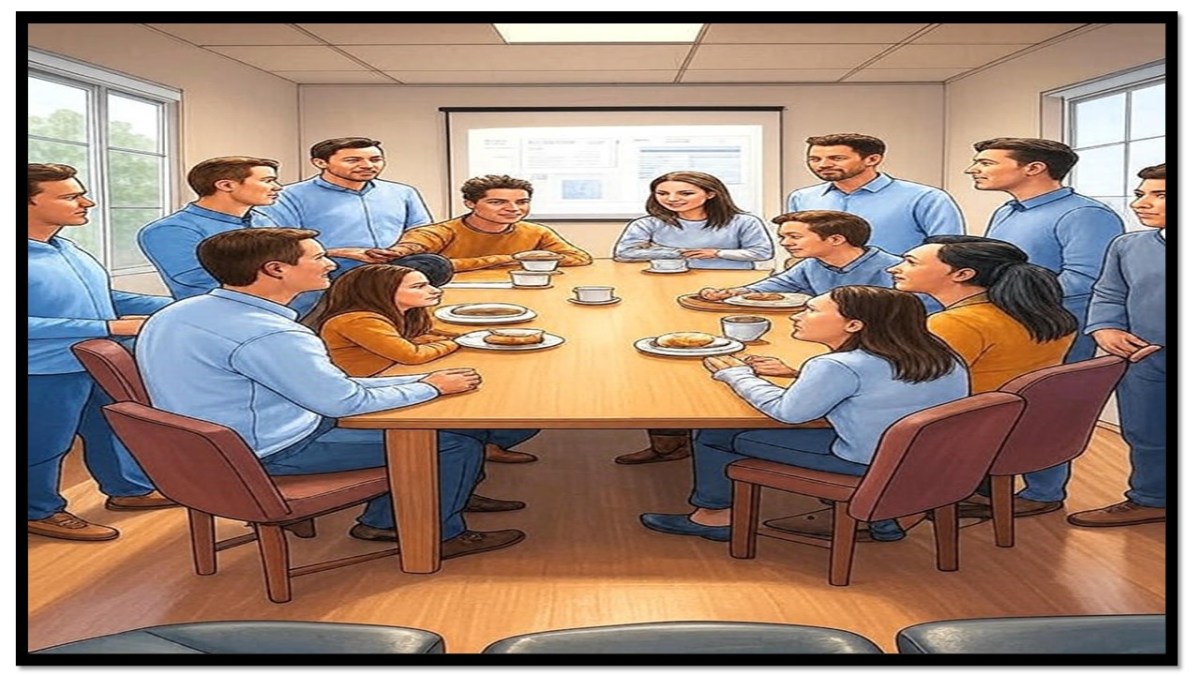
The office team, where my office is located, recently did something a little different. It was called “Bagels and Schmear.” Yes, it sounds a bit funny, and maybe even a little informal for a typical workday. But this simple get-together over breakfast breads with the traditional lox and capers turned out to be a fantastic reminder of a core principle in sales, especially for us in merchant services: the power of relationships.

Now, I know what you’re thinking. Networking events usually involve conference halls, name tags, and a pocketful of business cards. And while those are important, the “Bagels and Schmear” morning highlighted that valuable connections can be forged anywhere, even within our own office walls, and with people who might not seem like immediate prospects.

As merchant services professionals, we’re laser-focused on businesses that need our payment processing solutions. We’re experts at identifying pain points and offering tailored services. But how often do we stop to genuinely connect with the folks who don’t fit that immediate mold?

That’s where the magic of broader networking, as exemplified by their ahem, deliciously named event, comes in.

Why Every Connection Counts (Even if They Don’t Need a POS System Today)

Think about it. The private investigator, the insurance man, the lawyer – they might not be signing up for a new merchant account. But each of them has a network. They have friends, family members, former colleagues, and acquaintances who do own businesses, or are thinking of starting one.

Our “Bagels and Schmear” wasn’t just about enjoying a good breakfast; it was about fostering relationships. It was an opportunity to chat with colleagues from different businesses , learn about what they do, and – crucially – let them learn a bit more about what we do in a relaxed, no-pressure environment.

Here’s the kicker for us in sales: You never know who knows who.

That friendly chat with the P.I. may have a cousin who’s just opened a boutique and is frustrated with their current payment processor. That quick catch-up with Jim from IT? His brother-in-law could be launching an e-commerce store and needs guidance on online payments.

These aren’t leads you’ll find through cold calling or traditional prospecting. These are warm introductions, referrals born from genuine connection and a little bit of goodwill. And let’s be honest, a referral from a trusted source is gold in our industry.

The Ripple Effect of Internal Networking

Events like “Bagels and Schmear” do more than just potentially unearth a few leads. They:

  • Build Internal Champions: When other departments understand what you do and the value you bring, they’re more likely to think of you when an opportunity arises in their personal networks.
  • Boost Morale and Collaboration: A friendly, connected office is a more productive and positive office. This can translate to better teamwork, even within the sales department itself.
  • Sharpen Your Pitch (Informally): Explaining what you do to someone outside of sales forces you to simplify and clarify your message – excellent practice for future client interactions.
  • Create a Culture of Reciprocity: When you take the time to connect with others, they’re more likely to want to help you in return.

The Takeaway for Merchant Services Pros

So, what’s the lesson from our “Bagels and Schmear” adventure?

  1. Embrace All Networking Opportunities: Don’t discount internal events or casual conversations. Every interaction is a chance to build a bridge.
  2. Be Genuinely Curious: Ask questions. Learn about what others do. Show sincere interest.
  3. Subtly Educate: Without being pushy, make sure your colleagues have a basic understanding of how you help businesses. You’re the payment expert in the room.
  4. Remember the “Six Degrees of Separation”: The next big client could come from the most unexpected connection.

It’s easy to get tunnel vision and focus solely on businesses that are immediate, obvious fits for our services. But by broadening our networking efforts, even with something as simple and enjoyable as sharing bagels and schmear, we open ourselves up to a wider pool of opportunities.

So, the next time there’s an office get-together, or even just a chance to chat by the coffee machine, remember the potential. You’re not just making small talk; you’re building a network. And in merchant services, a strong network is a powerful asset.

Now, who’s hungry for a bagel… and a new lead?

Happy Selling,

David

The Extra 10%

This beautiful, warm Monday morning let’s talk about what separates the good from the truly great in sales. It’s not some secret handshake or a magic script. It boils down to one thing: the willingness to go the extra mile. That extra 10% effort isn’t just a nice-to-have; it’s the bedrock of sustained success in this competitive field.

The Non-Negotiables of Winning

You know the drill. Success in sales demands 100% commitment. It requires a consistently positive outlook, especially when facing inevitable objections, and an unwavering resolve to hit your targets. There are no shortcuts to building a solid book of business. You’ve got to be prepared to out-think, out-hustle, and out-care your competition.

This isn’t about just showing up; it’s about holding yourself accountable. Did you make those extra five calls? walk into 3,5 more businesses, Did you research that prospect’s industry thoroughly before the meeting? Did you follow up with a truly personalized solution instead of a generic quote?

No excuses. You’re capable of far more than just hitting the minimum. The market might tempt you with “good enough,” but your potential demands you strive for excellence.

The Price and Prize of Distinction

Chasing greatness isn’t always easy. It requires sacrifice and dedication. That extra research on a Saturday? That early morning networking event? That commitment to understanding the nuances of a client’s specific payment pain points, not just their current rates? That’s the extra mile.

Sometimes, this path can feel a bit solitary. Not everyone is willing to put in that deeper level of work. You’ll face pushback, you’ll have challenging days, and you might even feel like you’re grinding while others are coasting. Most people shy away from that discomfort. But here’s the truth: embracing that challenge, consistently delivering that extra value, is precisely what will make you stand out and ultimately lead to those bigger wins and loyal clients.

The Compounding Power of “More”

Think about it: what are the small things you can do today that your competitors won’t?

  • Do more than just present: Truly consult. Understand their business, their cash flow, their customer experience.
  • Do more than just follow up: Provide additional value in each interaction – an industry insight, a relevant article, a connection.
  • Do more than just onboard: Ensure a seamless transition and check in to guarantee they’re getting the most from your service.

The distance between a salesperson who consistently smashes their quota and one who just gets by is paved with these “extra mile” actions. It’s about doing what others aren’t willing to do, so tomorrow you can achieve what others can’t.

Your Competitive Edge: The Uncrowded Extra Mile

So, starting today, make a conscious choice. Where can you invest that extra effort?

  • Is it one more prospecting call when you feel like packing up?
  • Is it taking the time to craft a truly customized proposal that speaks directly to a merchant’s unique needs?
  • Is it mastering a new product or feature so you can offer more comprehensive solutions?

That “extra mile” isn’t crowded. There are no traffic jams when you’re dedicated to delivering superior value and service.

Every top performer in this industry, or any industry for that matter, will tell you this: genuine, high-level success doesn’t come from shortcuts. It comes from consistently exceeding expectations – your own, and your clients’.

You were built for more than just average. Now, go out there, embrace that extra effort, and make your success inevitable.

Happy Selling,

David

Friday’s Top 10 Reasons to Overcome Prospecting Paralysis When Selling Merchant Services

Prospecting paralysis, that feeling of dread and avoidance when it’s time to find new clients, is a common challenge in sales, especially in the merchant services industry. Overcoming it is crucial for success… unless your career goal is to become intimately familiar with the taste of ramen noodles and the subtle art of dodging your landlord.” Follow these ten tips to Overcoming Prospecting Paralysis.

From the Home Office in Prospect, Kentucky, here are this

Friday’s Top 10 Reasons to Overcome Prospecting Paralysis When Selling Merchant Services

10. Avoid the “Fat and Happy” Syndrome: Big deals are great, but they can lead to complacency. Prospecting keeps your skills sharp and ensures a consistent pipeline, preventing future slumps.

9. Don’t Be an “Undercover Agent”: Embrace your role! Hiding your profession limits your opportunities. Be open about what you do to expand your network and potential leads.

8. Don’t set unrealistic expectations: Setting goals like “I am going to make 5 sales this week.” can be demotivating if you do not hit this goal. Consider setting goals for effort like, “I am going to walk into 100 businesses.

7. It’s Not Personal: Rejection is part of the job. Don’t take it to heart. Each call or interaction is a new opportunity.

6. More meetings: Overcoming prospecting paralysis can help you fill the pipeline with enough meetings, so that you always have potential customers to speak with.

5. Establish credibility: Building trust in sales is important. Prospecting and building relationships can lead to long term relationships and referrals.

4. Be a Trusted Advisor: Position yourself as a helpful resource, not just a salesperson. Understanding their challenges and offering solutions builds trust and rapport.

3. Improve Customer’s First Impression: When a sales professional offers meaningful value and requests nothing in return, the customer develops a positive association with the sales professional.

2. Keep an Eye on the prize: Think of prospecting as a customer walking into your store. What would you do to help them? Do that!

And the # 1 Reasons to Overcome Prospecting Paralysis is …

1. Future Proof Your Income: Consistent prospecting ensures a steady stream of potential clients, leading to a more predictable and sustainable income. Without prospecting, you leave your success to chance.

So, take a deep breath, channel your inner sales superhero (cape optional, but highly encouraged for dramatic effect when walking into a business), and remember: every “NO” is just a scenic route to a “YES.” And every business you don’t talk to is a missed opportunity to tell them how awesome you (and your quiver of payment options) are.

Would you like me to elaborate on any of these points? Let me know in the comments.

Have a great weekend,

David

Prospecting, Parking Garages and Mirrors

Alright, fellow road warriors of the sales battlefield, gather ’round for another tale from the front lines of prospecting.

We all know the daily hustle: fueling up on caffeine , psyching ourselves up after that last “not interested,” and navigating the urban jungle to unearth those golden opportunities. But sometimes, the jungle – or in this case, the deceptively innocent-looking parking garage – decides to fight back.

This time, it wasn’t just a close call. It was a direct hit.

There I was, fresh off what I thought was a promising (albeit brief) drop-in. I’d parked my trusty truck – my mobile office, my sales command center – in a spot that seemed reasonable enough. You know the ones, nestled between those charmingly oversized concrete poles that parking garage architects seem to adore. My mind was already replaying the conversation, planning my follow-up strategy, when it was time to head to the next prospect.

I put the truck in reverse, checked my rearview (the irony!), started backing out, and then… CRUNCH. That gut-wrenching, metallic shriek that every vehicle owner dreads. My driver-side mirror. Mangled. Kaput. Victim of a stealthy concrete pillar that apparently had a personal vendetta against my ability to prospect effectively that day.

For a split second, I just sat there, staring at the now-sad, lopsided silhouette of my truck in what remained of the mirror. The frustration was instant. First, the sheer annoyance of the damage. Second, the immediate calculation of cost and time lost. And third, that familiar feeling any sales pro knows: “Really? Another obstacle?”

The Blind Spots in Our Daily Grind

It struck me then, as I was ruefully examining the dangling mirror and plastic, how much that busted mirror felt like some of the classic challenges we face while we are out and about trying to close deals:

  • The Unexpected Setback While Exiting: You think you’re smoothly moving on from a prospect – maybe it wasn’t a fit, or you got a polite “no for now.” You’re “backing out” of that interaction, ready for the next, and BAM! Something you didn’t anticipate hits you from your blind spot. Perhaps it’s a sudden application issue newly signed client, a competitor swooping in on a warm lead, or just a day where nothing seems to go right, derailing your momentum.
  • The Cost of “Minor” Distractions: That pole wasn’t a major collision, but the consequence – a useless driver-side mirror – was a significant pain. It’s like those “small” admin tasks, the unexpected compliance questions, or the tech glitches that seem minor but can chew up valuable selling time and energy if you’re not careful. They’re the little things that can throw you off your game if you let them.
  • The Importance of Full Visibility: Driving without a driver-side mirror is strange. You are so use to looking at it unconsciously and you feel vulnerable, constantly second-guessing. In sales, not having full visibility into your pipeline, your client’s true needs, or the competitive landscape can be just as crippling. It forces you to make assumptions, and we all know how that can end.
  • Resilience is Non-Negotiable: Was I tempted to just call it a day and go home to mourn my mirror? You bet I was. But in sales, packing up shop after every setback isn’t an option. You assess the damage (literal or figurative), figure out a temporary fix if needed (hello, clear packing tape and hope!), and you keep moving. The next prospect doesn’t know or care about your parking garage mishap.

The Lesson from the Driver’s Seat (Even with a Busted View)

My encounter with that unyielding pole wasn’t just a lesson in cautious reversing. It was another reminder of the realities of our profession:

  1. Always Be Aware of Your Surroundings: This is true for parking garages and prospect offices. What are the potential obstacles? Who are the decision-makers? What’s the unspoken sentiment in the room?
  2. Don’t Let Setbacks Define Your Day (Or Your Quarter): A broken mirror, a lost deal, a tough rejection – they sting. Acknowledge it, learn from it if you can, and then refocus on the next opportunity.
  3. Resourcefulness is Key: Whether it’s finding a creative solution for a client or figuring out how to safely drive to your next appointment with compromised visibility, your ability to adapt is crucial.
  4. Keep Your Sense of Humor: Seriously. If you can’t eventually chuckle at the image of yourself, a determined sales professional, being bested by a stationary object while trying to earn a living, you’re in for a rough ride.

So, the next time you’re out there, navigating the often-treacherous terrain of prospecting, and you hit an unexpected “pole” – be it literal or metaphorical – just remember, it happens to the best of us. Take a deep breath, curse a little under your breath if you must, and then get back to what we do best: connecting with businesses and closing those deals.

Now, if anyone has a good recommendation for a side mirror replacement that’s extra pole-resistant, I’m all ears.

What unexpected “crunches” have you encountered on your sales journey? Drop a comment below – misery (and humor) loves company!

Happy Selling,

David

Do You Remember this Movie part 4?

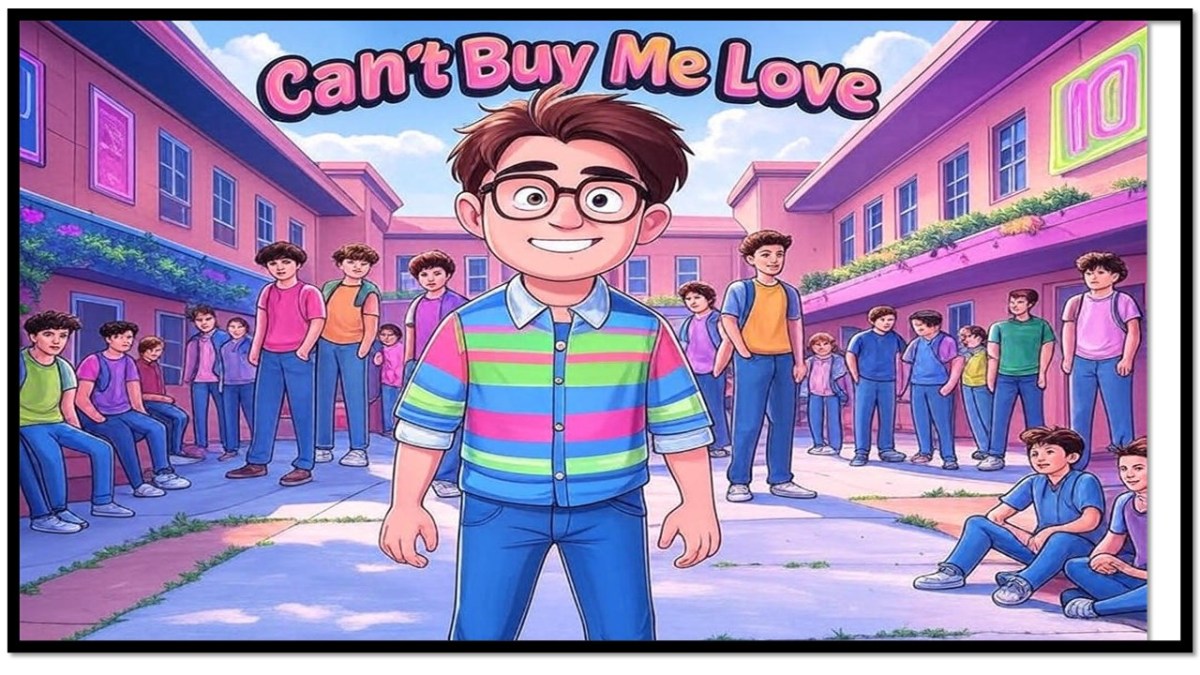
Remember Ronald Miller, the lovable nerd from “Can’t Buy Me Love”? He paid the popular cheerleader Cindy Mancini $1,000 to pretend to be his girlfriend, catapulting him into the cool crowd. While I don’t recommend literally buying popularity, Ronald’s journey offers some surprisingly relevant sales lessons for merchant services professionals. Let’s break down how to channel your inner Ronald (the successful parts, anyway) to boost your sales game.

1. Identify the “Cool Crowd” (Your Ideal Client):

Ronald knew exactly who he wanted to impress: the popular kids. In merchant services, you need to define your ideal client profile. Are you targeting restaurants, retail stores, e-commerce businesses, or specific industries? Understanding your target audience allows you to tailor your approach and messaging for maximum impact.

  • Lesson: Don’t waste time chasing leads that aren’t a good fit. Focus on the “cool crowd” that aligns with your product’s strengths.

2. Offer Something Unique (The “Cool” Factor):

Ronald’s “cool” was Cindy’s temporary presence. In merchant services, your unique selling proposition (USP) is your “cool” factor. What sets you apart from the competition? Is it your cutting-edge technology, exceptional customer service, competitive pricing, or specialized industry knowledge?

  • Lesson: Highlight your USP. Clearly articulate the value you bring to merchants. Don’t just sell a product; sell a solution.

3. Build Relationships (Beyond the “Fake” Kind):

Ronald initially faked his relationship. But genuine connection is crucial for long-term success. In merchant services, building rapport with potential clients is paramount. Listen to their needs, understand their pain points, and offer solutions that address their specific challenges.

  • Lesson: Authenticity trumps pretense. Cultivate genuine relationships based on trust and mutual respect.

4. Adapt Your Approach (The “Transformation”):

Ronald’s transformation wasn’t just about appearances; he learned to adapt and connect with different people. In sales, flexibility is key. Tailor your communication style and presentation to each client’s personality and preferences.

  • Lesson: Be adaptable. Don’t use a one-size-fits-all approach. Adjust your strategy to resonate with each prospect.

5. Deliver on Your Promises (Don’t “Blow It”):

Ronald almost blew it by letting his newfound popularity go to his head. In merchant services, integrity is non-negotiable. Deliver on your promises, provide excellent service, and build a reputation for reliability.

  • Lesson: Build trust by exceeding expectations. A single slip-up can damage your credibility.

6. Embrace the “Geek” (Your Product Knowledge):

Ronald’s initial “geekiness” was his foundation. In merchant services, your product knowledge is your superpower. Become an expert in your field, understand the nuances of payment processing, and be able to answer any question a client throws your way.

  • Lesson: Be the expert. Master your product and industry. Your knowledge builds confidence and credibility.

7. Celebrate the Wins (The “Party” Moment):

Ronald’s final party scene was a celebration of his newfound self-confidence. In sales, celebrate your wins, both big and small. Acknowledge your achievements and use them as motivation to continue pushing forward.

  • Lesson: Recognize your successes. Positive reinforcement fuels motivation and builds momentum.

“Can’t Buy Me Love” might be a lighthearted teen comedy, but it offers valuable insights into the dynamics of social interaction and persuasion. By applying these lessons to your sales strategy, you can build genuine relationships, deliver exceptional value, and achieve your sales goals. Remember, it’s not about buying your way to the top. It’s about understanding your audience, offering a compelling solution, and building lasting connections.

Now go out there and “do the African Anteater Ritual!” (Okay, maybe not that last part.)

Happy Selling,

David

100 Men 1 Gorilla

You’ve likely stumbled upon the “100 men 1 gorilla” thought experiment making its rounds. For those unfamiliar, it poses the question: could 100 unarmed men defeat one silverback gorilla in a fight?

The internet is ablaze with debates, analyzing strength, strategy, and sheer willpower.
But what does this hypothetical jungle rumble have to do with selling merchant services?

More than you might think! This trend, at its core, highlights crucial elements that are directly applicable to your sales approach. Let’s break down how you can leverage the spirit of this discussion to become a more effective closer.


The Unexpected Sales Lessons from the Gorilla Gauntlet:
* Understanding the Power Dynamic: The gorilla represents a formidable challenge – perhaps a well-entrenched competitor or a client hesitant to switch. The 100 men represent your collective efforts, your product’s advantages, and your persuasive skills. Recognizing the power dynamic in each sales situation is the first step to strategizing effectively.
* The Importance of Strategy and Coordination: One man charging a gorilla alone has little chance. Similarly, a disorganized sales pitch lacking a clear strategy is unlikely to succeed. The “100 men” only stand a chance with coordinated efforts, flanking maneuvers, and leveraging their numbers. In sales, this translates to a well-researched approach, understanding the client’s needs, and presenting a solution that addresses those needs comprehensively.
* Leveraging Your Strengths in Numbers (Features & Benefits): Each of the 100 men brings their individual presence. In your sales arsenal, you have a suite of features and benefits. Don’t just list them; strategically highlight how these features collectively address the client’s pain points and offer a superior solution compared to the “gorilla” (the status quo or competitor).
* Identifying Weak Points (Client Pain Points): The thought experiment often delves into the gorilla’s vulnerabilities. Similarly, successful merchant service salespeople are adept at identifying a prospect’s pain points – high processing fees, outdated technology, poor customer support. Understanding these weaknesses allows you to position your offering as the precise countermeasure.
* The Power of Perseverance and Multiple Attempts: It’s unlikely the men would succeed on their first attempt. They would need to adapt, learn from their mistakes, and try different approaches. Sales is rarely a one-and-done scenario. Be prepared for objections, follow-ups, and the need to reiterate your value proposition. Resilience is key.
* The Element of Surprise and Innovation: Some arguments for the men’s victory involve unconventional tactics. In sales, this translates to thinking outside the box. Could you offer a unique integration? A customized pricing plan? A level of support your competitors don’t? Innovation can be your “surprise attack.”
* The Role of Communication and Teamwork (Internal Support): While you might be the one facing the “gorilla” (the prospect), you have a team behind you – support staff, technical experts, and sales management. Leverage their expertise. Just as coordinated movements are crucial for the men, internal alignment strengthens your sales efforts.
* Understanding the Terrain (Industry Knowledge): The environment of the fight matters. Similarly, understanding the client’s industry, their specific challenges, and the competitive landscape is crucial. This “terrain knowledge” allows you to tailor your pitch and demonstrate genuine understanding.
* The Psychology of the Encounter (Building Rapport): While it’s a fight, the interaction involves a psychological element. For salespeople, building rapport and trust with the client is paramount. They need to believe in you and your solution. Be approachable, listen actively, and build a genuine connection.
* Focusing on the Outcome (The Win-Win): Ultimately, the goal of the 100 men is to overcome the gorilla. Your goal is to secure the merchant services account. Keep the desired outcome in mind throughout the sales process and tailor your efforts towards achieving a mutually beneficial agreement.


Putting it into Practice:
Next time you’re preparing for a sales call, think about the “100 men 1 gorilla” scenario. Ask yourself:
* What “gorilla” am I facing (competition, client skepticism, etc.)?
* What are my “100 men” (features, benefits, product offerings)?
* What’s my strategy for a coordinated “attack” (sales presentation)?
* Where are the potential “vulnerabilities” (client pain points)?
* How can I demonstrate the collective power of my offering?


By reframing your sales challenges through this lens, you can develop more strategic, persuasive, and ultimately successful approaches. The internet might be debating the gorilla’s fate, but you can be actively shaping your own victories. Now go out there and show them the power of the “100”!

Happy Selling,

David

Rise and Grind & Own Your Paycheck

The alarm clock blares. 5:30 AM. The sun is still a distant dream, and the snooze button is whispering sweet temptations. For most, this is the dreaded start of another day. But for us, in the payments industry, it’s the beginning of a blank canvas – a day where you hold the brush and paint our own financial masterpiece.

Let’s be real, folks. This isn’t your average 9-to-5. You’re not punching a clock and waiting for a predetermined salary to trickle in. You’re a hunter, a closer, a solution provider. You’re in a world where your paycheck is directly proportional to your hustle. And that, my friends, is both exhilarating and terrifying and exactly why we all do this. Like that line from 1970’s Burt Reynold’ movie, Smokey and the Bandit where Bandit tells Cletus, “For the good ol’ American life: For the money, for the glory, and for the fun… mostly for the money.”

The Freedom and the Fire:

There’s a unique kind of freedom that comes with knowing your income is in your hands. No salary caps, no office politics holding you back. Just pure, unadulterated potential. You wake up with a fire in your belly because you know every call, every meeting, every closed deal is a step closer to your goals.

But let’s not sugarcoat it. This freedom comes with a price. It demands discipline, resilience, and a relentless work ethic. You’ll face rejection, you’ll have tough days, and you’ll question your sanity at times. But the beauty of merchant services is that the rewards are directly tied to your efforts.

Why Merchant Services is the Ultimate “Write Your Own Paycheck” Gig:

  • Unlimited Earning Potential: The more you sell, the more you earn. It’s a simple equation, and it’s incredibly motivating.
  • Recurring Revenue: Build a solid portfolio of merchants, and you’ll enjoy a steady stream of residual income. It’s like planting seeds that keep growing.
  • High Demand: Businesses will always need payment processing solutions. You’re providing a vital service, and that translates to consistent opportunities.
  • Entrepreneurial Spirit: You’re essentially running your own business within a business. You’re in control of your schedule, your strategy, and your success.
  • The Thrill of the Close: There’s nothing quite like the feeling of closing a deal and knowing you’ve just added to your bottom line.

Tips for Maximizing Your Paycheck Potential:

  • Master Your Product Knowledge: Become an expert on the solutions you’re selling. The more you know, the more confident you’ll be.
  • Build Relationships: Merchant services is a relationship-driven business. Focus on building trust and rapport with your prospects.
  • Develop a Solid Sales Process: Have a clear plan of action, from prospecting to closing.
  • Stay Organized and Focused: Time management is crucial. Prioritize your tasks and stay on top of your leads.
  • Never Stop Learning: The industry is constantly evolving. Stay up-to-date on the latest trends and technologies.
  • Embrace Rejection: It’s part of the game. Learn from your mistakes and keep moving forward.
  • Set Ambitious Goals: Don’t be afraid to dream big. Your potential is limitless.
  • Network: Get out there and make connections. Networking with other sales people and business owners can lead to big opportunities.
  • Stay Motivated: Remind yourself why you’re doing this. Keep your goals in sight and push through the tough times.

Waking up early to chase your dreams selling merchant services isn’t for everyone. It requires grit, determination, and a relentless pursuit of success. But for those who are willing to put in the work, the rewards are truly extraordinary.

You have the power to write your own paycheck, give yourself a raise one deal at a time, build a lucrative career, and achieve financial freedom. So, rise and grind, Your future awaits.

Happy Selling,

David