Friday’s Top 10 Reasons a CRM is Your #1 Sales Weapon

For years, merchant services sales has been a grind, often relying on yellow note pads, sticky notes, and a memory that’s always on the brink of overload. But in today’s competitive landscape, that simply won’t cut it. Having bounced between CRMs over the years, and most recently landing on one that seems a true game-changer by consolidating features I used to pay for separately, I can tell you firsthand: a robust CRM isn’t just a nice-to-have, it’s a non-negotiable, a virtual assistant at your fingertips.

Here’s why embracing a CRM is critical for every merchant services salesperson, counting down to the absolute most important reason:

From the Home Office in Sweet Lips, Tennessee Here are,

This Friday’s Top 10 Reasons a CRM is Your #1 Sales Weapon

10: Eliminating Redundancy and Consolidating Costs

Remember juggling multiple subscriptions for email marketing, landing pages, or even basic task management? A well-chosen CRM, especially one like the one I’ve recently adopted, brings all those fragmented tools under one roof. This not only streamlines your workflow but also significantly cuts down on those recurring monthly expenses that eat into our residuals. It’s about working smarter, not just harder, and saving money while you do it.

9: Professionalism That Pays Off

Imagine sending a proposal that’s perfectly formatted, branded, and delivered right on time, or instantly pulling up a client’s history during a follow-up call. A CRM empowers you to manage all client interactions with a level of professionalism that inspires confidence. It’s about looking (and being) organized, responsive, and always on top of your game – a crucial differentiator in a crowded market.

8: Never Miss a Follow-Up (or a Hot Lead!)

In merchant services, the sales cycle can be long, and timing is everything. Without a CRM, follow-ups easily fall through the cracks. A CRM acts as your personal assistant, sending automated reminders for calls, emails, and meetings. This ensures no promising lead goes cold and no existing client feels forgotten, drastically improving your chances of closing deals and retaining business.

7: Standardizing Your Sales Process

Whether you’re a seasoned veteran or just starting out, a CRM helps you adhere to a proven sales methodology. It can guide you through each stage of the sales funnel, from prospecting to closing and onboarding. This standardization ensures consistency in your approach, makes training new team members easier, and ultimately leads to more predictable and repeatable sales success.

6: Efficient Task Management & Prioritization

How many times have you started your day feeling overwhelmed by a seemingly endless to-do list? A CRM helps you break down your workload into manageable tasks, assign due dates, and prioritize based on deal stage or potential revenue. This clarity allows you to focus on high-impact activities, ensuring your time is spent on what truly moves the needle.

5: Enhanced Collaboration (Especially for Teams)

Even if you’re a sole operator now, the ability to share information and collaborate effectively is invaluable as you grow. For sales teams, a CRM provides a central hub where everyone can access the latest client information, track progress, and coordinate efforts. This prevents duplication of work, improves internal communication, and ensures a unified customer experience.

#4: Data-Driven Decision Making

Gone are the days of guessing what’s working and what’s not. A CRM collects valuable data on every aspect of your sales performance. It can show you your conversion rates at different stages, which lead sources are most effective, and even which products are selling best. This data empowers you to identify strengths, pinpoint weaknesses, and make informed strategic adjustments to optimize your sales efforts.

3: Deepening Customer Relationships (It’s More Than Just a Sale)

Merchant services isn’t a one-and-done sale; it’s about building long-term partnerships. A CRM provides a comprehensive view of every client interaction – supply needs like paper, service issues, preferences, and even personal notes. This enables you to offer personalized service, anticipate their needs, and proactively address potential problems, fostering loyalty and reducing churn.

2: Understanding Your Pipeline for Accurate Forecasting

Knowing your pipeline inside and out is crucial for individual success and for your company planning. A CRM gives you real-time visibility into every deal’s status, estimated close date, and projected revenue. This allows for accurate sales forecasting, helps you identify potential bottlenecks, and ensures you’re always aware of what you need to do to hit your targets. No more guesswork, just data-backed predictions.

And the # 1 Top 10 Reasons a CRM is Your #1 Sales Weapon is …

#1: Maximizing Your Time and Sales Productivity

Ultimately, the most important reason to use a CRM is its direct impact on your productivity. By automating administrative tasks, centralizing information, streamlining communication, and providing clear insights, a CRM frees up an incredible amount of your time. This means less time spent on manual data entry and more time doing what you do best: prospecting, presenting, and closing deals.

In a sales where every minute counts, a CRM is the ultimate tool for maximizing your efficiency and, most importantly, significantly boosting our sales volume.

And there you have it – This Friday’s Top 10 compelling reasons why a CRM isn’t just an option, but a necessity for anyone serious about excelling in sales. It’s the engine that drives efficiency, strengthens relationships, and ultimately, boosts your bottom line.

I deliberately didn’t mention the specific CRM I’m currently using. This post isn’t an advertisement for a particular company; it’s about the undeniable value of CRM technology itself. However, if you’re curious about the solution that’s been a game changer for me by consolidating features and cutting costs, feel free to text me, and I’ll be happy to share.

Have a great weekend,

David

Be the “No-Shadow Guy”

Every morning, I, like many of you, embark on the daily commute. Mine takes me down a parkway bustling with the usual suspects: the joggers who look like they were born in Lululemon, the cyclists decked out like they’re about to win the Tour de France, even the occasional unicyclist defying gravity and, frankly, societal norms. It’s a whole ecosystem of… effort.

But this one morning, folks, I saw a legend. A guy, strolling along, shirt off, and let me tell you, this dude was so white, he made Casper look like he’d been hitting the tanning beds. I mean, seriously, I squinted, half-expecting to see through him. The sun was beating down, and this champion of paleness? He didn’t even have a shadow. He was just… unapologetically himself. A non-translucent, yet somehow shadow-less, beacon of individuality.

And it hit me harder than a surprise PCI compliance fee: this guy gets it. In the crowded landscape of sales, how often do we just blend into the beige?

We’ve all got our scripts, our well-rehearsed spiels about interchange rates and next-day funding. We’re all peddling similar solutions. So, how do you become the “No-Shadow Guy” (or Gal!) that prospects actually remember?

Forget Blending, It’s Time to Be Your Own Brand of Awesome (Even if it’s a Little Pale)

Let’s be honest, sometimes trying to be what you think a client wants is like trying to squeeze into skinny jeans after a month of holiday dinners – uncomfortable and ultimately, not a good look for anyone. Here’s how to ditch the generic sales persona and let your magnificent, perhaps slightly quirky, self shine:

  1. Embrace Your Inner Unicyclist (Figuratively, Mostly): Remember that unicyclist? They’re not trying to be a ten-speed. They’ve found their unique balance (literally) and they’re rolling with it. What’s your unicycle? Is it your encyclopedic knowledge of niche industry payment needs? Your uncanny ability to explain complex fee structures with hilarious analogies? Your genuine passion for helping that local bakery save enough to finally buy that fancy new dough mixer? Whatever it is that makes you you, lean into it. Don’t be afraid to be a little different. Prospects have heard the standard pitch a thousand times. They haven’t heard your version.
  2. Ditch the “Salesperson” Costume (Sometimes): Okay, professionalism is key, but sometimes we’re so buttoned-up and corporate-speaky that we forget there’s a real human on the other end of that call or handshake. Think about our shadow-less friend. He wasn’t worried about conforming to “parkway chic.” He was just… existing. When you’re genuinely connecting with a merchant, talking about their actual business pains (not just your solution’s features), you become more than just a salesperson. You become a potential partner, a problem-solver. Dare to have a real conversation. Ask about their day before diving into their effective rate.
  3. Find Your “So White, You Have No Shadow” Differentiator: This isn’t about being literally pale (please, wear sunscreen, folks, unless you’re going for that memorable translucent vibe). It’s about what makes you so distinct, so memorable, that you stand out from the sea of other reps.
    • The Hyper-Prepared Rep: Knows their business inside and out, researches theirs obsessively, and comes with insights, not just a brochure.
    • The Relationship Builder: Remembers birthdays, asks about the kids, and genuinely cares about the long-term success of their clients.
    • The Straight Shooter: Cuts through the jargon, tells it like it is (even if it’s not what they want to hear initially), and builds trust through transparency.
    • The Comedian (Use With Caution, But Effectively): Can lighten the mood, make a dry subject engaging, and build rapport through shared laughter. Just make sure your jokes land better than a declined transaction.
  4. Don’t Be Afraid to Say “I Don’t Know, But I’ll Find Out (and Not Just Google it While You’re Talking)”: Our ghostly walker wasn’t pretending to be a bronzed Adonis. He was owning his paleness. In sales, it’s tempting to act like you have all the answers. But guess what? Nobody does. Honesty and a commitment to getting the right answer are far more impressive than fumbling through a half-baked response. It shows integrity, and that, my friends, is always in style.

Look, merchant services is competitive. You’re going to meet a lot of businesses, and they’re going to meet a lot of reps. Why should they choose you? Maybe, just maybe, it’s because you weren’t afraid to be your authentic, slightly quirky, “no-shadow” self.

So, go forth. Be bold. Be memorable. And for goodness sake, if you are actually as white as that guy, maybe consider a light long-sleeved shirt. Or just own it. Either way, make them remember you.

Now, who’s ready to close some deals and maybe work on their tan (or lack thereof)?

Happy Selling,

David

What A Merchant Wants

Alright, let’s talk about a movie that, while a rom-com at its heart, holds some surprisingly relevant lessons for those of us in the merchant services game: What Women Want, starring Mel Gibson.

Now, before you roll your eyes thinking this is about romancing clients, stick with me. It’s about something far more valuable: understanding them.


Unlock the Vault: What Women Want Can Teach Sales Pros:
Remember Nick Marshall (Gibson)? The charmingly arrogant ad executive who suddenly gains the ability to hear women’s thoughts after a bizarre bathtub incident? While we’re not expecting any of you to fall victim to rogue hair dryers, the core premise of the movie offers a potent fantasy for any salesperson: direct access to your clients’ inner thoughts.


Think about it. How many times have you walked out of a meeting wondering what your prospect really thought?

Did they have unaddressed concerns?

Were they truly sold on your solution, or just being polite?

This is where What Women Want, in its fantastical way, shines a light on a crucial aspect of successful sales: empathy and active listening.


Beyond the Surface: Hearing What’s Not Being Said
Nick’s newfound ability forces him to move beyond his own assumptions and truly understand the needs, desires, and hesitations of the women around him – both professionally and personally. For a merchant services salesperson, this translates to:
* Uncovering Hidden Pain Points: Your clients might say they’re happy with their current processor, but are they secretly frustrated by high fees or poor customer support? Dig deeper. Ask open-ended questions and truly listen to the nuances in their responses.
* Addressing Unspoken Objections: Sometimes, the biggest roadblocks aren’t explicitly stated. Pay attention to body language, hesitations, and vague concerns. Try to gently draw out these underlying objections and address them proactively.
* Tailoring Solutions with Precision: Knowing what a client truly values allows you to craft a solution that resonates with their specific business needs. Instead of a generic pitch, you can highlight the features and benefits that directly address their priorities.
* Building Stronger Relationships: When clients feel truly understood, trust blossoms. This leads to stronger, longer-lasting relationships, which are the bedrock of a successful merchant services career.


From Accidental Telepath to Intentional Listener
We don’t need a supernatural accident to gain this insight. We can cultivate it through:
* Asking Powerful Questions: Move beyond surface-level inquiries. Ask “why” questions, explore their challenges, and understand their long-term goals.
* Practicing Active Listening: This means truly focusing on what your client is saying, both verbally and nonverbally. Put away your phone, make eye contact, and resist the urge to interrupt. Summarize their points to ensure you’ve understood correctly.
* Empathy and Perspective-Taking: Try to put yourself in your client’s shoes. Understand their daily pressures, their business objectives, and the risks they face.
* Continuous Learning: Stay updated on industry trends and your clients’ specific sectors. The more you know about their world, the better equipped you are to understand their needs.


The Takeaway: It’s About Understanding, Not Mind-Reading
What Women Want is a fun, albeit fantastical, reminder that truly understanding your clients is a superpower in itself. While we can’t actually hear their thoughts, by honing our listening skills, practicing empathy, and asking insightful questions, we can get pretty darn close. And in the competitive world of merchant services, that kind of understanding can be the key to unlocking deals and building lasting success.


So, the next time you find yourself heading into a client meeting, channel your inner (and decidedly less intrusive) Nick Marshall. Focus intently on truly hearing what they’re communicating – both verbally and nonverbally. You might be surprised by the wealth of information you uncover.

Happy Selling,

David


Leveling Up Your Sales Game

I may be showing my age a bit here, but who remembers PAC-MAN? That classic arcade game where you munched dots, chased fruit, and tried to outwit those pesky ghosts. The coolest part? Each time you cleared a board, you “leveled up.” The game got faster, the ghosts got smarter, and the challenge intensified. This constant escalation, this need to adapt and improve, isn’t just a retro gaming phenomenon—it’s a perfect metaphor for a career in sales.

Just like Pac-Man, you’re constantly facing new challenges in merchant services. The market shifts, technology evolves, and client needs become more sophisticated. To truly succeed, you can’t just keep doing the same things; you have to level up.

Level 1: The Basics

When you’re starting out, you’re focused on the fundamentals:

* Understanding the Product: You need to know the ins and outs of payment processing, POS systems, and all the various solutions you offer. This is your foundation.

* Prospecting: Identifying potential clients and getting your foot in the door is crucial. This means cold calling, networking, and leveraging referrals.

* Overcoming Objections: Learning to address common concerns about pricing, contract terms, or switching providers is essential for closing deals.

At this level, you’re mastering the game’s basic controls.

Level 2: Strategic Moves

Once you’ve got the basics down, it’s time to get strategic. This is where you start to anticipate the “ghosts” and plan your moves more effectively:

* Consultative Selling: Instead of just pitching products, you’re becoming a true consultant. You’re asking deeper questions, identifying pain points, and tailoring solutions that genuinely benefit the merchant. This means understanding their business, not just their payment needs.

* Building Relationships: Moving beyond transactional sales, you’re focused on building long-term relationships with your clients. This leads to referrals, repeat business, and a stronger network.

* Competitive Analysis: You’re not just selling your product; you’re understanding the competitive landscape. You know your strengths, your competitors’ weaknesses, and how to position your offering as the superior choice.

Level 3: Mastering the Maze

This is where you become a true sales maestro, navigating complex situations with finesse and expertise:

* Proactive Problem Solving: You’re anticipating potential issues before they arise and offering solutions. This could involve identifying a merchant’s future needs or proactively addressing compliance changes.

* Value-Added Services: You’re not just selling payment processing; you’re selling a complete solution that adds significant value to a merchant’s business, such as banking, loyalty programs, or specialized integrations.

* Mentorship and Leadership: You’re not just closing deals; you’re helping others on your team level up. You’re sharing your knowledge, best practices, and contributing to the overall success of your sales organization.

Never Stop Playing

Just like in Pac-Man, the game of sales never truly ends. There’s always a new level, a faster ghost, a fresh challenge. The key is to embrace this continuous evolution. Always be learning, always be adapting, and always be looking for ways to elevate your game.

What strategies have helped you level up your sales career? Share your insights in the comments below!

Happy Selling,

David

Back to the Grind? No, Back to Opportunity!

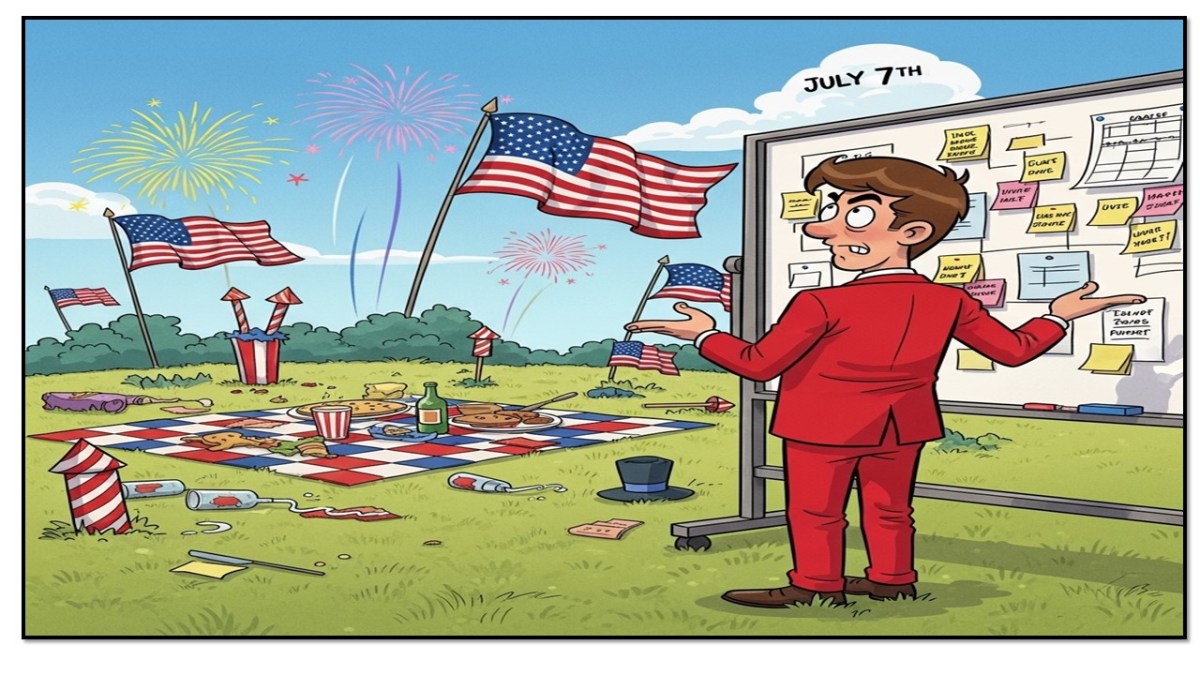
Alright, sales warriors, the fireworks have faded, the barbecues are over, and it’s Monday, July 7th. After a well-deserved 4th of July break, it’s time to reignite that sales fire and make this week a powerhouse!

It’s easy to feel a little sluggish after a long weekend, but in merchant services, downtime means missed opportunities. The good news? Everyone’s back to business, and that means businesses need your expertise more than ever.

Why This Week Matters

  • Fresh Start, Fresh Opportunities: The post-holiday period is a clean slate. Businesses are back in full swing, getting ready for back to school, and planning for the holiday season fast approaching. This is prime time to connect with merchants who are ready to make changes and improve their payment processing.
  • Summer Sales Surge: Summer is in full swing, and that means increased spending in many sectors. Restaurants, tourism, entertainment, and retail are all experiencing a seasonal boost. Your solutions can help them maximize this crucial period.
  • Beat the Competition: While some salespeople might be easing back into work, this is your chance to get ahead. A focused, energetic approach this week can set you up for a winning month.

Re-Energize and Re-Engage

  1. Review Your Goals: What did you set out to achieve this month? This week is the perfect time to recommit to those targets and break them down into actionable steps, It’s still early in the month.
  2. Reconnect with Leads: Reach out to those prospects you engaged with before the holiday. Re-ignite the conversation and demonstrate your continued commitment to their business.
  3. Capitalize on the Summer Vibe: Tailor your messaging to the summer season. Highlight how your solutions can help merchants handle increased sales, manage outdoor events, and cater to vacationing customers.
  4. Seek Out New Opportunities: The holiday weekend might have created new business openings. Look for businesses that had special 4th of July promotions or events – they might be ready to upgrade their payment systems.
  5. Focus on Value: Remind merchants of the long-term benefits of your services. It’s not just about processing payments; it’s about increasing efficiency, improving customer experience, and driving revenue growth.

Your Monday Mission

  • Make three high-impact calls: Focus on quality over quantity. Target decision-makers and be prepared to offer solutions, not just information.
  • Send five personalized emails: Don’t rely on generic templates. Tailor each message to the specific needs and interests of the recipient.
  • Identify one new lead: Dedicate some time to research and find a promising prospect in a growing summer-related industry.

This week isn’t about getting “back” to the grind; it’s about launching into a period of incredible opportunity. With focus, energy, and a clear understanding of the market, you can make this week a major success.

What are your strategies for hitting the ground running after a holiday break? Share your tips in the comments below!

Happy Selling!

David

Friday’s Top 10 – Our Favorite Things About the 4th of July!

The 4th of July, Independence Day, a time for celebration, reflection, and a whole lot of red, white, and blue! It’s a day packed with traditions and activities that bring communities and families together. But what are the absolute best things about this iconic American holiday? We’re counting them down with this Friday’s Top 10 Favorite Things About the 4th of July!

From the Home Office in Independence Mississippi, Here are our

Favorite Things About the 4th of July!

10. Patriotic Gear & Decorations

Kicking off our list is the chance to go all out with patriotic flair! From American flag t-shirts and star-spangled banners to red, white, and blue everything, there’s a certain joy in decking ourselves, our homes, and even our pets in the nation’s colors. It’s a visual reminder of the unity and spirit of the day.

9. Parades

Who doesn’t love a good parade? The 4th of July often brings out the best local parades, featuring marching bands, community floats, veterans, and plenty of candy tossed to eager onlookers. It’s a classic, feel-good tradition that brings smiles to faces of all ages.

8. No Work! (For Many)

Let’s be honest, It’s mid-summer and 3, 4 days off is always a welcome treat! For many of us, the 4th of July means a break from the usual grind, offering a chance to relax, recharge, and spend time with loved ones.

7. The Sounds of Summer

Beyond the fireworks, the 4th of July is filled with the quintessential sounds of summer – kids laughing, music playing, the sizzle of the grill, and the general buzz of outdoor festivities. It’s a soundtrack that evokes happy memories and carefree days.

6. Community Spirit

There’s a special sense of community that comes alive on Independence Day. Neighbors gather, towns host parades and events, and there’s a shared feeling of celebration. It’s a time when local pride shines, and people connect over shared traditions and national heritage.

5. Remembering History

While it’s a day of fun, the 4th of July is also a poignant reminder of the nation’s history and the adoption of the Declaration of Independence in 1776. Taking a moment to reflect on the journey to independence and the values the country stands for is a significant part of the holiday.

4. Outdoor Activities & Games

Whether it’s a game of backyard volleyball, a dip in the lake, a picnic in the park, or simply soaking up the sun, the 4th of July is synonymous with outdoor fun. The warm weather and festive atmosphere make it the perfect day to get active and enjoy the great outdoors.

3. Delicious Food!

Hot dogs, hamburgers, barbecue ribs, corn on the cob, watermelon, potato salad, and all sorts of patriotic-themed desserts! The 4th of July is a feast for the senses, and the food is undoubtedly a highlight for many. Firing up the grill and sharing a meal with family and friends is a cherished tradition.

2. Spending Time with Family & Friends

At its heart, the 4th of July is about togetherness. It’s a perfect opportunity to gather with family and friends, creating lasting memories, sharing stories, and simply enjoying each other’s company. These connections are what make the holiday truly special.

And the # 1 Favorite thing about the 4th Of July is ….

1. Fireworks!

Was there ever any doubt? Topping our list, the undisputed champion of 4th of July festivities is the spectacular fireworks display! The dazzling bursts of color lighting up the night sky, the “oohs” and “aahs” from the crowd – it’s a magical experience that symbolizes the excitement and celebratory spirit of Independence Day like nothing else.

There you have it – our top 10 favorite things about the 4th of July! As we celebrate Independence Day – a holiday rooted in freedom, growth, and the pursuit of opportunity – let’s remember how these themes resonate with the businesses we support in the payments space from my hometown to yours.

What are your favorite parts of this iconic holiday? Share your thoughts in the comments below!

Have a safe and fun 4th of July weekend,

David

July 3rd: Kicking Off Another Long Weekend

It’s July 3rd, and for many of us, that means getting ready for the second extended 3 or 4-day weekend of the summer! The grills are being prepped, the fireworks stands are buzzing, and visions of lakeside relaxation or beachside fun are dancing in our heads.

But before we fully disconnect, let’s take a quick moment to reflect on something near and dear to our hearts in the merchant services world, especially today: the historical significance of July 3rd for us.

You might be surprised to learn that EMV chip technology – the little metallic square on credit cards that’s now ubiquitous – has been around since 1986! Yes, you read that right. While it feels relatively new to the US market, it was first implemented in France, with Germany following shortly after. It’s a great reminder of how long some of these foundational payment technologies have been evolving.

As we prepare for the extended time off, it’s crucial to ensure our clients are also prepared. Here are a few key reminders for your merchants as they head into the holiday weekend:

  • Federal Holiday Alert: Bank Closures and Deposit Delays: Remind your clients that July 4th is a federal holiday. This means banks will be closed, and deposits will be delayed by a day. Many processors will also have limited or no staff on the 4th, so any urgent issues might need to wait until Monday. Proactive communication on this point can save a lot of headaches!
  • Inventory and Supply Chain Check-ins: For many businesses, long weekends mean a surge in sales. Encourage your clients to do a final check on their inventory levels and consider any potential supply chain disruptions that might impact them over the extended break.
  • Payment Terminal Readiness: This is a perfect time to remind your clients to ensure their payment terminals are fully operational. Are they stocked with paper? Is their internet connection stable? A quick check can prevent lost sales during peak holiday hours.
  • Security Best Practices Refresh: With increased transaction volume, it’s a good moment to gently remind clients about basic security best practices. This includes keeping an eye out for suspicious transactions, especially with higher ticket items, and ensuring their POS systems are secure.
  • “Emergency” Contact Information: While you’ll likely be enjoying your time off, it’s helpful to ensure your clients have a clear understanding of who to contact for immediate, critical support if you’re unavailable (e.g., processor’s 24/7 support line).

The 4th of July weekend is a fantastic opportunity for many businesses, but it also comes with its own set of operational considerations. By proactively communicating these important details, we can help our clients have a smoother and more profitable holiday weekend.

Now, go enjoy that well-deserved time off!

Happy almost 4th of July!

David

Do You Remember this Movie? part 6

One of the quintessential 80s flick about two nerdy teens who create their dream woman, might seem an unlikely source of sales wisdom. But beneath Weird Science’s cheesy special effects and over-the-top antics, there are some surprisingly relevant lessons for sales professionals. Let’s dive in and “hack” our way to sales success.

1. Define Your “Lisa” (Your Ideal Client Profile):

Gary and Wyatt meticulously crafted Lisa to fulfill their specific desires. In merchant services, you need to define your ideal client profile. Who are you trying to attract? What are their specific needs and pain points? Understanding your “Lisa” allows you to tailor your approach and messaging for maximum impact.

  • Lesson: Don’t cast a wide net. Laser-focus your efforts on the clients who are a perfect fit for your services.

2. “Program” the Perfect Solution (Tailored Product Offering):

Lisa was programmed to be everything Gary and Wyatt wanted. In merchant services, don’t offer a generic, one-size-fits-all solution. Customize your offerings to meet the specific requirements of each client.

  • Lesson: Understand your client’s needs and “program” a solution that addresses their unique challenges.

3. Leverage “Technology” (Your Sales Tools):

Gary and Wyatt used their computer to create Lisa. In sales, leverage the technology available to you. CRM systems, analytics tools, and marketing automation can help you streamline your processes and improve your efficiency.

  • Lesson: Embrace technology. Use the tools at your disposal to enhance your sales efforts.

4. Overcome “Obstacles” (Handle Objections):

Gary and Wyatt faced numerous obstacles in their quest to make Lisa real. In sales, you’ll encounter objections. Learn to address them professionally and persuasively.

  • Lesson: Don’t let objections derail you. View them as opportunities to demonstrate your expertise and build trust.

5. Create a “Party Atmosphere” (Build Rapport):

Lisa knew how to create a fun and engaging atmosphere. In sales, building rapport is essential. Make your clients feel comfortable and valued.

  • Lesson: Connect with your clients on a personal level. Create a positive and engaging sales experience.

6. “Hack” Your Confidence (Project Expertise):

Gary and Wyatt gained confidence through their creation. Project confidence and expertise in your interactions with clients.

  • Lesson: Believe in your product and your abilities. Confidence is contagious and inspires trust.

7. Deal with the “Chet” (Difficult Personalities):

Chet was a difficult and obnoxious character. In sales, you’ll encounter challenging personalities. Learn to navigate these situations with diplomacy and professionalism.

  • Lesson: Stay calm and professional, even when dealing with difficult clients. Focus on finding solutions and maintaining positive relationships.

“Weird Science” might be a far cry from a sales training manual, but it offers valuable insights into the importance of customization, technology, and building relationships. By applying these lessons to your merchant services sales strategy, you can “hack” your way to success and create your own “perfect” sales experience. Just remember, no need to create a physical person, just the perfect client relationship.

Happy Selling,

David

July Has Arrived

Each morning, my routine usually starts with a glance at my calendar. Typically, it’s a quick, cursory view—checking my first event and then scanning what the rest of the day holds. This time, however, a familiar chill ran down my spine. I noticed that a period I approach with apprehension each year has arrived: the month of July. Another Year, Another Hot July, Another 4th and another 3-4 Day Weekend.

You see, every year I harbor high hopes for July. I envision business booming, merchants eager to sign up for services, and our sales professionals maintaining their strong marketing pace. Yet, year after year, as July draws to a close, I find myself sorely disappointed.

While processing volume from our existing merchants often shows growth, new production tends to stagger. By the month’s end, production typically hits its second-lowest point of the year, just a notch above December. It truly shouldn’t have to be this way.

It was about nine, maybe ten years ago now when I first became aware of this unsettling trend. Initially, I attributed it solely to the Independence Day holiday, especially when it fell mid-week, effectively creating a lost week of productivity. So, naturally, production was lower.

However, I soon observed that even when the 4th landed on a Monday or Friday, minimizing disruption, July’s production figures still seemed to dip. Over the years, I’ve written several similar blog posts discussing this phenomenon, offering suggestions on how to combat the slowdown.

Unfortunately, my suggestions don’t seem to have made a significant impact. That’s why this year, I decided to take a different approach. Instead of offering my own theories, I reached out to my contacts at various credit card processing companies and asked for their perspective on why July, well, often underperforms. Here’s a sample of the responses I received:

  • “It seems like a good time to take a break. The year is half over, the kids are home, and it’s been a good year. A vacation seems warranted.”
  • “No one else seems to be out working. I can be confident my merchants aren’t getting hammered with offers, so I usually use the month to catch up on a few things.”
  • “It’s too hot.” (my personal favorite)
  • “July is going to be slow, so I just accept it as a fact and make plans for August.”

All these responses share a common thread: they indicate that calls on prospects for credit card processing services either slow down significantly or cease altogether for a period. The inevitable result? Any momentum built over the preceding three months vanishes, and the effort required to regain that momentum leads to a sluggish start to August.

Interestingly, when I asked if they would be open to proven techniques that could improve their July productivity, most admitted they probably wouldn’t use them. To me, this suggests they either find the July slowdown acceptable or perhaps even view it as an expected part of their annual business cycle.

However, I must highlight two contrarian viewpoints that emerged:

  • “I have found over the past several years that July has been one of my better months. You know why? There’s no competition. I walk into a merchant and I am not the fifth, tenth, or twentieth merchant salesperson to walk in the door. They have more time and they listen.”
  • “July is the month when I can sign merchants without pitching better rates. In fact, it’s a month when most merchants aren’t demanding cost savings because there isn’t some ‘salesperson’ out there making a bunch of bogus promises.”

Notice the common theme here? These individuals find that less competition creates an environment where substantial business can still be found. Without the usual barrage of competitors, they feel less pressure and can sign merchants with greater ease.

It doesn’t matter how hot it is or if there are opportunities for time off. Instead, they save their vacation time for later. They leverage their existing momentum, knowing that the merchants they sign in July are likely to be more profitable and more loyal in the long run.

July still gives me pause, primarily because the majority of merchant services salespeople still seem to align with the first group. However, for those who choose to stay focused, persevere, and perhaps seek out effective sales strategies from credit card processing resources, success and a strong start to August await.

Happy Selling,

David

Just 10,000 Hours to Sales Superstardom!

I was reading something recently that truly fired me up: it takes roughly 10,000 hours of dedicated practice to become an expert in any field. Think about that for a second. While it might sound like a lot, it’s also incredibly empowering. It means that mastery isn’t some unattainable magic reserved for a select few – it’s a direct result of focused effort and time invested. And for us in the high-stakes world of merchant services sales (or any sales arena!), this isn’t just an interesting statistic; it’s a powerful roadmap to becoming an unstoppable force!

Ever feel like you’re hitting a plateau? Like the next level of success is just out of reach? The truth is, greatness isn’t a gift; it’s a journey meticulously paved with dedication and time. And while the idea of 10,000 hours to mastery might have seemed daunting before, now you know it’s a tangible path to becoming the go-to expert your clients can’t live without.

Forget overnight success myths. Real, lasting achievement is built brick by brick, hour by focused hour. This isn’t about simply clocking in; it’s about intentionally investing in your growth, sharpening your skills, and transforming yourself into the trusted advisor your clients truly need.

Imagine this: You’re not just reciting features; you’re diagnosing business needs with laser precision. You’re not just overcoming objections; you’re anticipating them and building unshakeable trust. You’re not just closing deals; you’re forging lasting partnerships that fuel mutual growth.

This isn’t a pipe dream – it’s the tangible outcome of putting in the work, of relentlessly pursuing mastery. Think of those 10,000 hours as your personal incubator of success. Each hour you dedicate is a deposit into your expertise account, compounding your knowledge, refining your instincts, and amplifying your impact.

Here’s how to fuel your journey to expert status:

  • Embrace the Grind: Every call, every presentation, every follow-up – it all counts. See the challenges not as roadblocks, but as opportunities to learn and grow stronger. Each “no” gets you closer to a “yes,” and each tough question sharpens your understanding.
  • Be a Relentless Learner: The sales landscape is dynamic. Stay hungry for knowledge! Dive deep into product updates, industry trends, and the nuances of your clients’ businesses. Seek out mentors, devour industry publications, and never stop asking “why?”
  • Practice with Purpose: Don’t just go through the motions. Intentionally work on your craft. Role-play scenarios, analyze your wins and losses, and actively seek feedback. Every interaction is a chance to hone your skills.
  • Focus on Impact, Not Just Activity: It’s not just about the number of hours; it’s about the quality of those hours. Be present, be engaged, and focus on delivering real value to your prospects and clients.
  • Celebrate the Milestones: The journey to 10,000 hours is a marathon, not a sprint. Acknowledge your progress, celebrate your wins (big and small), and use them as fuel to keep pushing forward.

This is your call to action! Stop seeing the path to expertise as a long, arduous climb and start viewing it as an exhilarating ascent to the peak of your potential. Every hour you invest today is a step closer to becoming the sales superstar you’re meant to be.

And you know what? For many of you reading this, especially those of us who’ve been in the game for a while – I’ve personally spent the better part of the last 20 years in sales – that 10,000-hour mark? We’ve likely blown past it! Think of all the conversations, the training sessions, the deals closed, the challenges overcome. That’s a mountain of experience, a testament to your dedication.

The 10,000-hour rule isn’t a limit; it’s a testament to the boundless potential within you. So, ignite your passion, embrace the journey, and start putting in the focused hours that will transform you from a good salesperson into an exceptional expert. Your future success is waiting to be earned!

Ready to commit to your 10,000 hours? Share one thing you’ll focus on this week to level up your expertise!

Happy Selling,

David