The crisp air, the roar of the crowd, the smell of grilling… college football is back, baby! While tomorrow’s games may not be SEC (SEC’s first game is next Thursday 8/28 Central Arkansas vs Missouri) it’s still college football.
And for those of us in merchant services sales, especially here in SEC country, there’s more to it than just touchdowns and tailgates. The gridiron can teach us a lot about closing deals and dominating our territory. So, grab your favorite team’s merch, and let’s count down the top 10 parallels between the start of college football and crushing it in sales!
Top 10 Ways College Football’s Return Mirrors Sales Success
10. The Pre-Season Hype: Building Your Pipeline
Just like fans eagerly anticipate the first game, a successful sales professional builds excitement and a robust pipeline. Are you nurturing leads, making those initial calls, and getting prospects warmed up for what’s to come? The pre-season isn’t just about practice; it’s about preparation and generating buzz.
That first game always has some nerves, right? Similarly, the start of a sales cycle often brings initial objections. Just like a good coach anticipates the opponent’s first moves, you need to be ready for common pushbacks. Have your rebuttals practiced and polished.
8. The First Drive: Qualifying Your Leads
A team’s opening drive quickly reveals their strengths and weaknesses. In sales, your initial conversations are about qualifying. Is this a real opportunity? Do they have a need for your services? Are they the decision-maker? Don’t waste plays on unqualified leads.
7. SEC Rivalries: Understanding Your Competition
In the SEC, rivalries are legendary. You know your opponent’s playbook, their star players, and their weaknesses. In merchant services, knowing your competitors inside and out – their pricing, their technology, their service – is crucial. What’s your competitive advantage, your “secret play”?
6. Adjustments at Halftime: Adapting Your Pitch
If the first half isn’t going well, a good coach makes adjustments. Are you listening to your prospects? Are you adapting your pitch based on their specific needs and pain points? A one-size-fits-all approach rarely wins the game.
5. The Home-Field Advantage: Leveraging Your Local Presence
There’s nothing like playing in front of your home crowd in the SEC. For merchant services, your local presence and reputation can be a massive advantage. Are you active in your community? Do businesses know and trust you as a local expert?
4. The Red Zone Offense: Closing the Deal
Getting into the red zone is exciting, but you still have to score! This is where many deals falter. Do you have a clear closing strategy? Are you asking for the business confidently and directly? Don’t leave points on the field.
3. The Game-Winning Field Goal: Securing the Referral
Sometimes, it comes down to one perfect kick. For us, that’s the referral. After a successful implementation and a happy client, are you asking for referrals? A strong referral is like a game-winning field goal – it builds momentum and sets you up for future success.
2. The Coach’s Game Plan: Having a Sales Strategy
Every great SEC coach has a meticulous game plan. Do you have a clear sales strategy for each week, each month, each quarter? What are your targets? How will you achieve them? Without a plan, you’re just hoping for a lucky break.
And the #1 Top 10 Ways College Football’s Return Mirrors Sales Successis …
1. The Fan Base: Building Client Loyalty
The passion of SEC fans is unmatched. They stick with their team through thick and thin. In merchant services, building that kind of loyalty with your clients is paramount. Provide exceptional service, be proactive, and show them you’re a true partner, not just a vendor. Happy clients are your biggest advocates and your most stable revenue stream.
So, as you enjoy the thrill of college football this season, remember that the principles of success on the field are often the same ones that lead to victory in sales. Go out there, execute your game plan, and dominate your territory!
I saw this meme of a four-year-old proudly marching around in a Batman T-shirt. They walk with an unmatched swagger, an absolute, unshakeable belief that they can conquer anything in their path.
They aren’t just wearing a T-shirt; they’re wearing a symbol of pure, unfiltered strength and courage. Now, imagine bringing that same level of fearless energy to your next sales presentation. That’s the power behind the quote:
“Whatever you do today, do it with the confidence of a
4-year-old in a Batman T-shirt.”
In sales, confidence isn’t just a “nice to have”—it’s the absolute bedrock of your success. You’re not just selling payment processing; you’re selling trust, reliability, and a partnership that will help a business thrive.
To do that effectively, you have to believe in what you’re selling, and more importantly, you have to believe in yourself with the certainty of a preschooler who knows he’s a superhero.
Here’s how to harness that “Batman T-shirt” confidence and become the sales hero your clients are looking for:
Your Utility Belt: Master Your Product Knowledge Batman never enters a fight unprepared. His utility belt is filled with gadgets for every conceivable situation. For you, that utility belt is your in-depth knowledge of the merchant services industry. When you know your products, services, and the competitive landscape inside and out, your confidence will soar. You won’t be afraid of tough questions; you’ll welcome them as an opportunity to showcase your expertise with the same pride a four-year-old has in showing off their new toy.
Facing Your “Villains”: Handling Objections with Finesse In sales, objections are your “villains.” They are the challenges that stand between you and a signed deal. A salesperson lacking in confidence might stumble at the first sign of resistance. But a salesperson with “Batman T-shirt” confidence sees an objection not as a “no,” but as a “show me more.” When a potential client says, “Your rates are too high,” or “We’re happy with our current provider,” don’t retreat. Like Batman facing the Joker, stand your ground. Use your product knowledge to counter their concerns, highlight your value proposition, and demonstrate how your services will ultimately benefit their bottom line.
The Bat-Signal: Your Support Network Even Batman has a team. He has Robin, Alfred, and Commissioner Gordon. You have a team too. Your sales ISO, your colleagues, and the support staff at your finger tips on Facebook, LOL. Don’t be afraid to send up your own “Bat-Signal” when you need help. Whether it’s a question about a new terminal, a pricing query, or just a need for some motivation after a tough day, make sure you have a support team there to support you.
Be the Hero Your City (of Clients) Deserves Every day, you have the opportunity to be a hero for the businesses you serve. You can help them save money, streamline their operations, and grow their successful business. But it all starts with confidence.
So, tomorrow morning, when you’re getting ready for the day, remember that four-year-old in the Batman T-shirt. Channel that pure, boundless energy. Walk into every meeting, make every call, and send every email with the unshakeable belief that you have what it takes to succeed.
Now go out there and be the hero your clients need.
I’m writing this on a Tuesday afternoon from my truck, parked right here in central Mississippi. I just walked out of a meeting, and the second that door closed behind me, it was like walking into a hot, wet towel. The air is so thick you can practically see it. At 3:20 PM, my truck’s thermometer is mocking me with a reading of 100 degrees, but we all know the humidity is the real villain here.
This entire week has been the same story. Blazing sun, followed by a pop-up thunderstorm that just dumps buckets for twenty minutes. And what does that leave us with? Not relief. It leaves us with “sticky.” The pavement steams, the air gets heavy, and every step from your truck to a potential client’s door feels like you’re walking through a swamp. Your shirt starts sticking to your back before you can even say “interchange optimization.” LOL
It’s the kind of weather that makes you want to reschedule, to make one more “strategic” phone call from the comfort of your air-conditioned office, to put off that one last stop of the day.
And that’s exactly why we can’t.
This oppressive, sticky humidity we’re all slogging through? It’s the perfect metaphor for our job right now. Sometimes, sales feels just like this. You face heavy resistance. You get bogged down. Progress feels slow and grueling. Some days, just getting a “maybe” feels like a monumental win.
But think about it this way: every other salesperson out there is feeling this exact same heat. They’re feeling the same urge to pack it in early on a Tuesday afternoon. The ones who succeed, the ones who close deals in Q3, are the ones who wipe the sweat from their brow, take a deep breath of that soupy air, and walk into that next business anyway.
This weather gives us a unique opportunity.
When you walk into a merchant’s shop, you’re not just a salesperson; you’re a blast of cool air, literally and figuratively. You are a break in their monotonous, hot day. Use it! That shared experience—”It is brutal out there, isn’t it?”—is the easiest icebreaker in the world. You’re not just some rep; you’re another person surviving the hot summer heat, just like them. Heck, if they sell ice cold water, buy a bottle, It will help build rapport.
Our job is to make our solutions stick. In a sea of competitors, we need our proposals, our value, and our personalities to be memorable. So let the weather be your reminder. While the heat is making everything else feel sticky and unpleasant, focus on making your service and your follow-up stick in the most positive way possible. Be the one who braved the heat. Be the one who showed up. Be the one they remember.
Stay hydrated out there, keep your shirts as crisp as you can, and let’s push through this summer grind together. The deals we close on these sticky days are always the most satisfying.
You know the feeling. You just pulled up to your first call of the day. The engine is off. You take the last sip of your coffee and look at the storefront across the parking lot. It’s just another morning, and todays success hinges on these next few minutes. This is it—the moment of truth before you step out of the car and onto the battlefield.
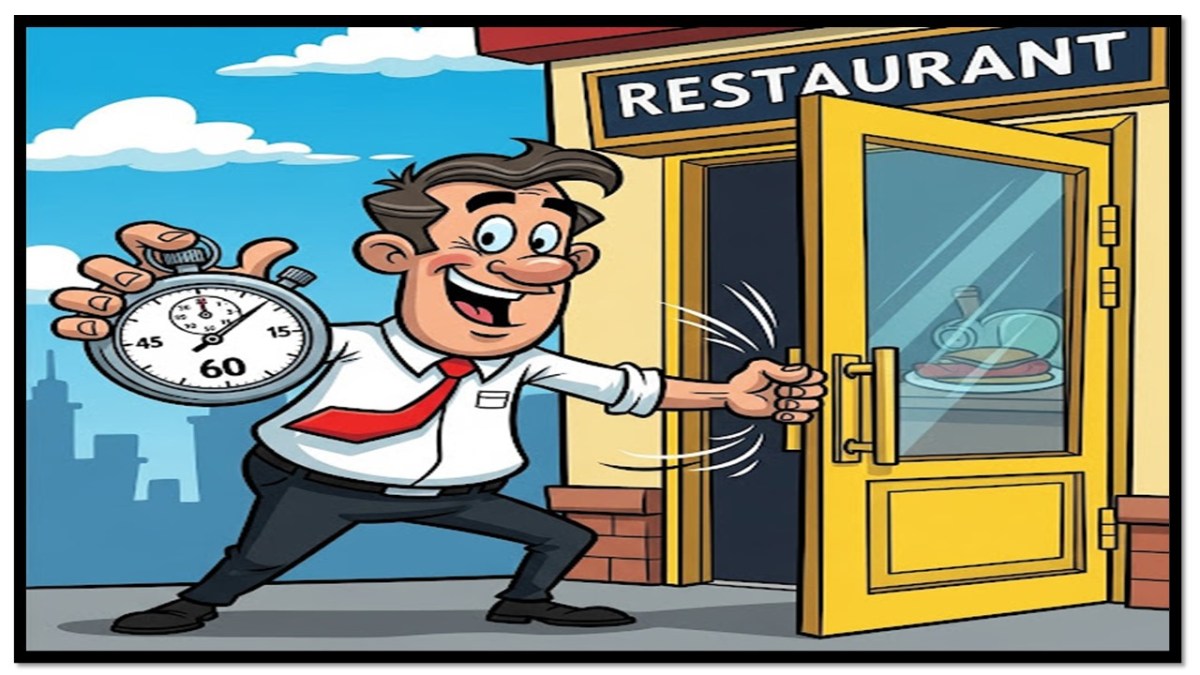
You’re about to walk through that door, and an invisible stopwatch will start the second you step through the door. In that moment, you have 60 seconds to turn a surprise interruption into a welcome conversation.
That first minute is everything. It’s the gatekeeper to your pipeline, the foundation of our residuals, and the single biggest differentiator between the grinders and the closers in our industry.
Amateurs wing it. Pros have a plan.
Let’s break down how the top reps dominate those first 60 seconds and how you can build the same disciplined edge.
Seconds 1-15: The Pre-Call Intel Drop
Before your finger ever hits “dial,” or “door handle” you should be arming yourself with intelligence. Flying blind is a recipe for a quick crash and burn. In these critical 15 seconds, your goal is to find your angle.
Google Maps is Your Spyglass: Don’t just look up the address. Use Street View. Can you see a sticker for a competitor on their door? Is there an old, clunky VX520 on the counter in their pictures? This is instant ammunition.
Scan the Digital Footprint: Check their website and social media. Is their online checkout clunky? Do they lack a “Pay Now” option on invoices? Are customers complaining in reviews about anything payment-related? You’re not looking for a reason to call; you’re looking for a reason they’ll be glad you did.
Find the Name: A call to “the owner” is cold. A call to “Hi, is Andy available?” is a world apart. A quick search on their website’s “About Us” page or LinkedIn or even the secretary of states website can give you the name you need to cut through the noise.
This isn’t about stalling; it’s about targeting. You’re building a specific “why you” before you even say hello.
Seconds 16-40: From Cold Call to Warm Conversation
Now you’re live. The natural instinct is to launch into your pitch. Resist it. Your only goal here is to create a pattern interrupt and open a dialogue.
Ditch the Lame Opener: Kill “I’m calling about your credit card processing.” They’ve heard it a thousand times. Instead, use your intel. “Hi Mr. Hardi. , I saw on your Facebook you’re starting to offer delivery. I specialize in helping restaurants handle remote and online payments, and I had a quick question.”
Ask a Powerful Question, Then Shut Up: This is where the magic happens. Ask an open-ended question that probes for pain. “How are you handling tips for your drivers on those delivery orders?” or “What’s been your biggest headache when it comes to your current POS system?”
Listen for the Pain: Your ears are your most valuable sales tool. Tune in for the golden phrases: “it’s just so expensive,” “their support is terrible,” “the reporting is a nightmare,” “I have no idea what I’m even paying.” When you hear that, you’ve found your wedge.
Seconds 41-60: The Pivot and the “Next Step”
You’ve found the pain. Now, pivot directly to it and sell the next step—not the entire solution. Don’t try to close the deal or explain the virtues of dual pricing on the first call. Your only mission is to secure the meeting.
Offer the Specific Antidote: Tailor your value prop directly to their pain.
If they said “it’s expensive,” you say: “That’s exactly why I called. Most businesses I work with are overpaying without realizing it. I offer a free, no-obligation statement analysis that can show you exactly where your money is going.”
If they said “support is terrible,” you say: “That’s a huge issue in this industry. Our clients get my direct cell number and access to our 24/7 U.S.-based team, so you’re never stuck on hold.”
Make the CTA Low-Friction: Propose a clear, easy, and time-defined next step. “Would you be open to a 15-minute meeting tomorrow so I can show you what I’m talking about in a bit more detail?” is much better than “When can I come by?”
The moment you are done, update your CRM and set the follow-up task. Don’t let the momentum die.
From Minute to Momentum
Why this obsession with a single minute? Because your entire day is a series of these 60-second battles. Winning them consistently means you spend less time making dead-end cold calls and more time in qualified meetings. It means a pipeline full of prospects who already see you as a problem-solver, not a salesperson.
Master your first minute, and you’ll master your month. Now, pick up the phone and make the next 60 seconds count.
Everyone wants a better life, but so many people are looking for an easier way—a shortcut or a secret recipe for success. Motivation and inspiration are great for getting started, but they won’t carry you to the finish line. The real secret isn’t a secret at all: you have to show up every day.
Diligence, not just desire, is what builds a successful life. Showing up daily is how you master your craft, develop your skills, and turn goals into reality. You can’t get good at something by only doing it when you feel inspired. You get good by doing it consistently.
When you commit to a daily routine, you stop playing defense against your circumstances and start playing offense to create your future. The journey will be challenging, but this daily discipline builds resistance and forges a “never give up” mentality. You’ll begin to see obstacles not as roadblocks, but as part of the process.
Confidence is a byproduct of action. The more you do something, the better you become. Stick to your plan, embrace the routine, and hold yourself accountable. Your goals deserve a fighting chance, and you give them that by showing up.
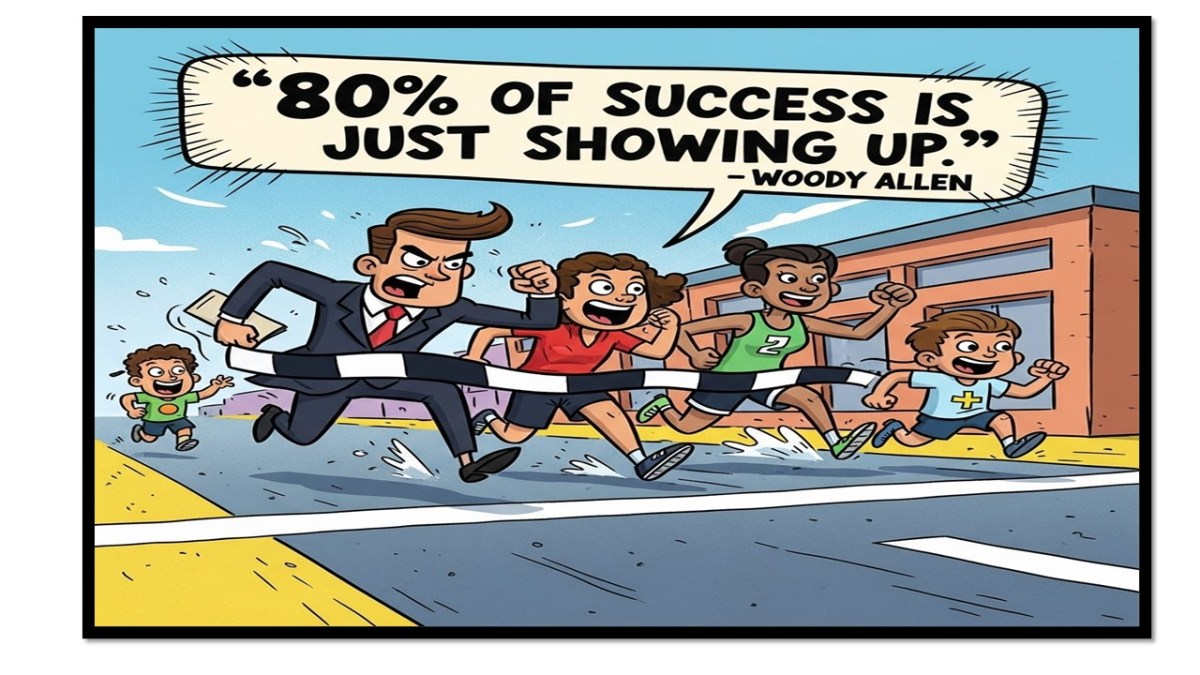
Success is a marathon, not a sprint. The plan works if you work it. As Woody Allen famously said, “80% of success is just showing up.” That means being 100% present and committed. Even if you’re new and not good at something yet, showing up guarantees you will get better.
Don’t give up. You have the talent and the opportunity. Now, show up and make it happen.
Happy Friday, everyone! As a merchant services salesperson, we encounter a unique blend of characters and situations. It’s a world where every “NO” is just a step closer to a “YES,” and sometimes, the only way to keep sane is to find the humor in it all. So, for your end-of-week chuckle,
From the Home Office in Pee Pee, Ohio, here’s our countdown of
the top 10 funny things about selling merchant services
10. The “I’m Just Looking” Merchant You know the type. They’ve invited you in, asked for a full demo, and then, just as you’re about to close, they hit you with the classic, “Thanks, but I’m just looking at my options right now.” You just spent an hour explaining interchange rates to someone who was apparently only window shopping for payment processing.
9. The “My Cousin Does It Cheaper” Card Ah, the mythical cousin. This relative always seems to have a better deal, a secret handshake, and a payment processing system that runs on unicorn tears. You’ll never meet them, but their presence looms large over every negotiation.
8. Explaining PCI Compliance Like It’s a Thriller Novel “And then, the data… it was unencrypted! The hackers… they were everywhere!” You try to make it sound exciting, a matter of digital life and death, but most merchants just glaze over at the mention of “Payment Card Industry Data Security Standard.”
7. The Never-Ending “Just One More Question” Loop You’ve answered everything. You’ve provided references, testimonials, and a detailed breakdown of every fee. Then, just as you reach for the pen, “Wait, I just thought of one more thing…” It’s like Groundhog Day, but with more credit card terminals.
6. The Merchant Who Thinks You’re the IT Department “My internet is slow, can you fix it?” “My printer isn’t working, is that part of the merchant services?” You’re there to talk about transactions, but suddenly you’re troubleshooting their entire office setup.
5. The “I Don’t Trust Technology” Luddite With all the contactless payments, ethernet lines, WIFI, cellular connections you’ll still find the merchant who insists on a dial-up terminal and views any new technology with deep suspicion. Explaining EMV chips and Apple Pay feels like teaching calculus to a caveman.
4. The Unexpected Pet Encounters From a curious cat batting at your presentation materials to a dog who thinks your binder is a chew toy, you never know what furry friends will join your sales pitch. Sometimes, they’re the most engaged audience members.
3. The “I Already Have a Machine” Misunderstanding “I don’t need merchant services, I have a machine!” Bless their hearts. You then embark on the delicate dance of explaining that the machine is just the hardware, and they still need a service provider to process payments.
2. The Voicemail/ Text Vortex You leave a text message. You leave another voice message. And another. It’s a black hole of unanswered calls and texts, where your cheerful greeting echoes into the abyss, never to be returned. You start to wonder if their phone even works.
And the # 1 Top 10 Hilarious Side of Selling Merchant Services is….
1.The Moment They Realize How Much They’ve Been Overpaying (or are Trapped in a Lease) This isn’t necessarily a laugh-out-loud moment, but it’s where the magic truly happens. It’s the look on their face when you show them how much they could save, or when you explain how you can help them escape that suffocating lease. It’s the dawning realization that they’ve been throwing money away for years. It’s a mix of shock, profound relief, and sometimes, a little bit of anger (directed squarely at their old provider, of course!). And that, my friends, that satisfying “aha!” moment, makes all the other funny, frustrating, and baffling encounters worth every second.
What are your funniest merchant services sales stories? Share them in the comments below!
A good friend of mine, a veteran in the payments space, just made a pivotal decision. For years, he’s been on the W2 side of the industry. He dabbled in the 1099 world, but always kept his salaried job as a safety net. Recently, he decided to cut the net. He’s going 100% all in to build a portfolio that is entirely his own.
His leap got me thinking about the mindset required for true success. Any opportunity that offers incredible rewards will demand significant risk. As the saying goes, “No risk, no reward.”
The beginning is always the hardest part. It demands a commitment to learning new skills and cultivating a resilient mindset. Success is built on determination, consistency, and an unwavering commitment to your goal. Failure and rejection aren’t setbacks; they are essential parts of the process. You learn and improve by failing, not by avoiding it.
This is why the phrase, “I’m going to give it a try,” is so dangerous. It’s an exit strategy disguised as an effort. It means that when things get tough, you’ve already given yourself permission to quit.
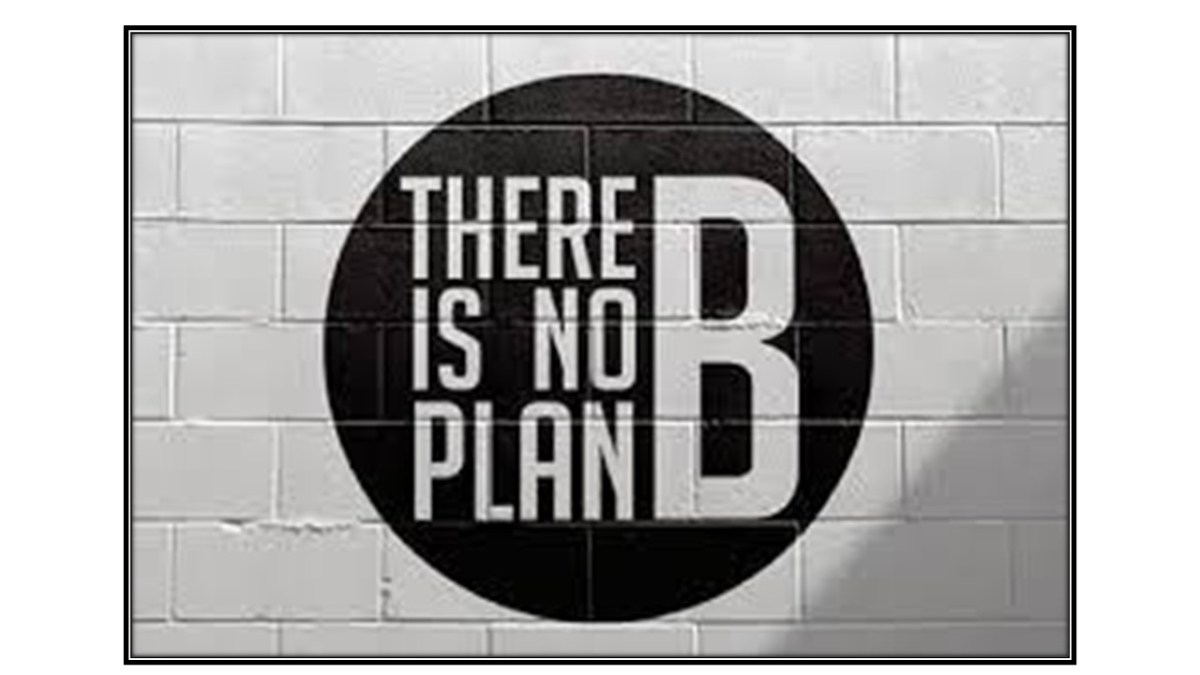
When I started in merchant services, well-meaning friends and family urged me to have a “Plan B.” They were preparing me for failure. But I knew that to succeed, I had to be all in.
My mentality was simple: “This is it. There is nothing to fall back on. I will make this happen.”
History’s greatest leaders understood this. They burned the boats and bridges, leaving their armies no choice but to advance and conquer. Retreat was not an option.
Your mindset is the ultimate differentiator. You can achieve incredible things, but you must commit fully. Go after your dreams with passion and don’t look back. Taking a risk is far better than living with regret. When the opportunity is right, there is no Plan B.
As a salesperson, I’ve had the privilege of receiving wisdom that didn’t just guide my daily tasks but profoundly shaped my professional growth. Two pieces of advice, in particular, stand out as fundamental to my journey.
The Power of Solutions
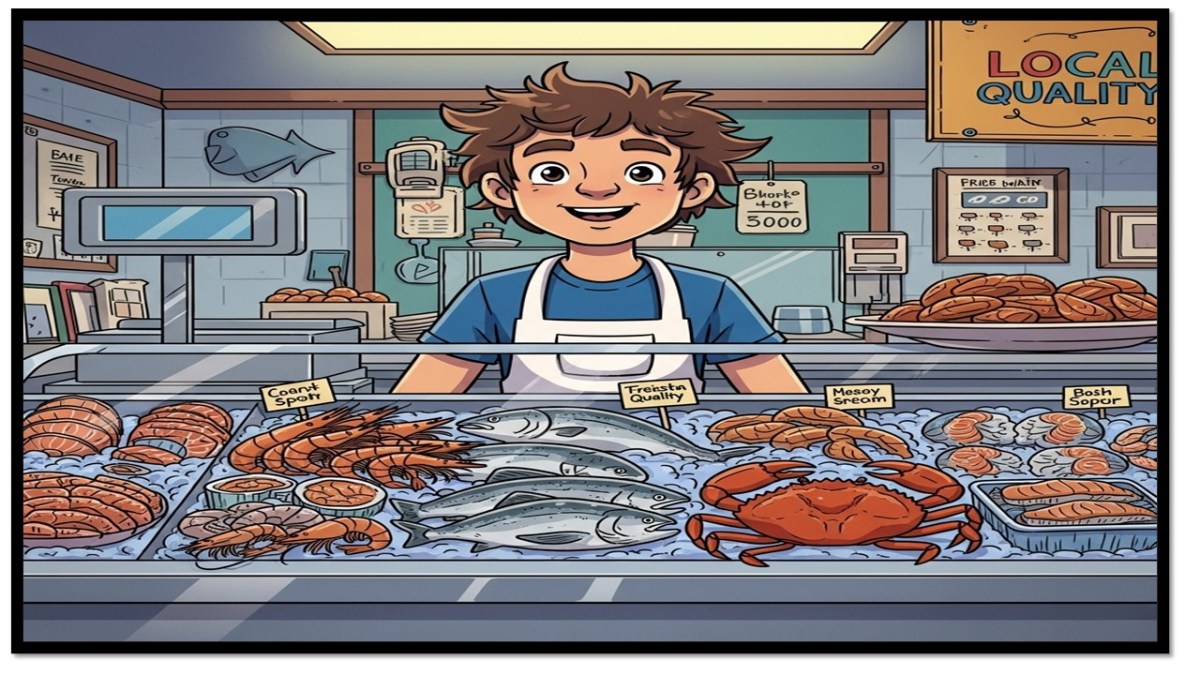
My earliest and most impactful lesson came years ago, when I was in the grocery business. I was a curious, perhaps even persistent, young employee working the seafood counter, always seeking understanding. A seasoned seafood executive, who bore the brunt of many of my questions, once shared a simple yet profound truth: “Always look for the solution, not at the problem.”
This wasn’t just about problem-solving; it was about a fundamental shift in perspective.
In sales, it’s easy to get bogged down in a client’s complaints—their frustrations with high rates, poor customer service, or tricky long term leases. And while acknowledging these pain points is crucial for building rapport, true growth as a salesperson comes from quickly pivoting. Instead of dwelling on the negative, we must immediately frame the conversation around how we can alleviate that pain and improve their situation. This approach transforms you from a sympathetic ear into a trusted advisor, someone who doesn’t just hear problems but actively delivers answers. It’s how you empower yourself, build genuine trust, and set yourself apart in a crowded market.
The Non-Negotiable Truth: Make Those Calls
The second, equally vital piece of advice came from the very person who introduced me to the merchant services business: “If you make the calls, you will close deals.”
This isn’t a complex strategy; it’s a raw, undeniable truth about sales and, by extension, about personal growth in this field. You can possess the deepest product knowledge and the most refined solution-oriented mindset, but if you’re not consistently engaging with potential clients, those strengths remain theoretical. My growth as a salesperson has been directly tied to my commitment to outreach. Every call, every meeting, every follow-up is an opportunity to apply the “solution” mindset and advance a potential deal. It’s the sheer act of consistent effort that puts you in front of more opportunities, allowing you to refine your approach, learn from every interaction, and ultimately, grow your pipeline and your success.
Reflecting on Growth
These two pieces of advice have been the twin pillars of my sales career. The ability to identify a problem and swiftly offer a tailored solution, combined with the unwavering discipline of consistent outreach, has been instrumental not just in closing deals, but in my continuous development as a professional. They’ve taught me that growth isn’t just about what you know, but about how effectively you apply that knowledge and how relentlessly you pursue opportunities.
For us who sell merchant services, our value isn’t just in identifying what’s wrong, but in relentlessly pursuing and presenting what’s right—our solutions—and making sure we’re always reaching out to those who need them. This approach hasn’t just led to sales; it’s led to sustained professional growth and satisfaction.
What’s a piece of advice you have received that has significantly contributed to your own professional growth?
I bet that title threw you, didn’t it? “All Sales Calls Are the Same.” Do you ever feel like each call is a unique, chaotic journey? One moment you’re discussing POS systems, the next it’s chargebacks, and before you know it, you’re off on a tangent about the client’s weekend fishing trip. While the details of each business and their needs certainly vary, the underlying structure of a successful sales call – the path you need to guide your prospect down – is remarkably consistent.
This isn’t about scripts or robotic interactions. It’s about understanding the “Straight Line” as taught by the legendary Jordan Belfort in “The Way of the Wolf.” (Full disclosure: I re-read this book every year around July, and its core principles continue to resonate.)
The Straight Line is incredibly powerful and ethical when applied with integrity: controlling the sales conversation and moving it efficiently from opening to close while building absolute certainty.
The “Three Tens”: The Foundation of Every Merchant Services Sale
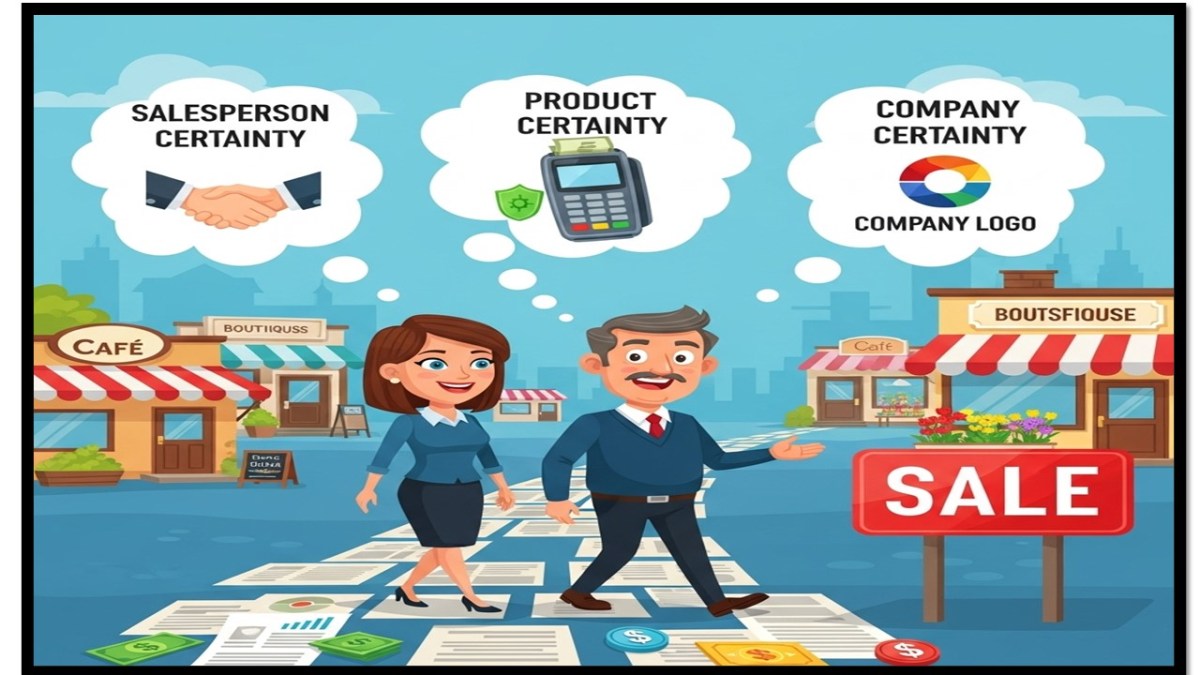
At the heart of the Straight Line system, and crucial for any sales professional, is what Belfort calls the “Three Tens.” For a prospect to buy, they must be at a 10 out of 10 level of certainty on three core elements:
Your Product/Service (Merchant Services): They must be absolutely convinced that your payment processing solutions, POS systems, and other offerings are the best fit and will solve their problems.
You (The Salesperson): They need to trust you implicitly. They must believe you are an expert, that you’re operating with integrity, and that you genuinely care about their business’s success.
Your Company: They must have unwavering confidence in your organization’s reputation, reliability, and ability to deliver on its promises. This is why a
Every step of your sales call, every question, every statement, and every objection handled should be aimed at driving up the certainty level on these three tens.
The Straight Line: Your Path to a Merchant Services Sale Driven by Certainty
Imagine a straight line from Point A (the beginning of your call) to Point B (the close of the sale). Your goal is to keep the conversation on that line, moving forward, addressing objections swiftly, and building certainty on those three tens at every step. Any deviation off the line is a waste of time and reduces your chances of success.
Here’s how the “All Sales Calls Are the Same” mentality, guided by the Straight Line and the “Three Tens,” applies to you in merchant services:
1. The First Four Seconds: Build Immediate Certainty in YOU
Belfort emphasizes making an immediate impact. In a face to face or phone call, this means establishing yourself as a 10/10 expert and a trustworthy individual right from the start.
Be Enthusiastic: Your energy is contagious. Show you’re genuinely excited to help them save money or streamline their operations. This subtly builds your personal certainty.
Be Sharp: Sound professional, articulate, and confident. You are the expert who can solve their payment processing problems. This reinforces your credibility.
Be an Authority: Right from the greeting, convey that you know what you’re talking about. “Hi [Prospect Name], this is [Your Name] with [Your Company]. The reason for my call is…” This positions you as someone worth listening to.
Be Human: While you’re an expert, you’re also relatable. A brief, genuine pleasantry can set a positive tone and make you more likable.
2. Building Rapport: A Strategic Connection to Boost Certainty in YOU
Many salespeople confuse rapport building with casual conversation. On the Straight Line, rapport is built with a purpose: to establish trust and make the prospect comfortable sharing their financial pain points, thereby increasing their certainty in you.
Acknowledge and Validate: “I understand you’re busy, so I’ll be brief.” or “Most business owners I speak with are looking into integrated systems.” This shows you understand their world.
Find Common Ground (Quickly): This isn’t about lengthy discussions about the weather. It’s about a quick, genuine connection if an opportunity arises. This makes you more relatable and trustworthy.
Focus on Them: Your questions should revolve around their business, their current processing, and their challenges. This demonstrates your interest in their needs, not just making a sale.
3. The Art of Qualification: Uncovering Pain Points and Future Desires to Pave the Way for Product/Service Certainty
This is where you determine if they are a good fit for your services. Every sales call, regardless of the merchant, needs this phase. Your goal here is to clearly identify problems that your product/service can solve, laying the groundwork for that 10/10 product certainty.
Current State: “Tell me a little about your current payment processing setup.” “What are your average monthly volumes?”
Pain Points: “What are some of the biggest challenges you face with your current processor?” “Are you happy with your current rates and fees?” “How much time do you spend reconciling payments?” These questions reveal opportunities for your service to shine.
Future Desires: “If you could change one thing about your payment processing, what would it be?” “What would it mean for your business if you could save X% on your processing fees?” This helps the prospect visualize the value of your solution.
4. The Presentation: Tailored, Benefit-Driven, and Building All Three Tens
This isn’t a dump of all your features. It’s about presenting your solution as the answer to their specific pain points uncovered in qualification, explicitly addressing all three tens.
Focus on Solutions (Product Certainty): “Based on what you’ve told me, our [Specific Service/Feature] can directly address [Their Pain Point].” Highlight how your product is the best solution.
Quantify Benefits (Product Certainty): “This would typically save businesses like yours around X dollars per month.” “This integration will cut down your reconciliation time by Y hours.” Show the tangible value.
Reinforce Your Certainty (You and Company Certainty): Use phrases like “As your dedicated account representative, I’ll ensure a smooth transition…” or “Our company has a proven track record of helping businesses like yours for over X years…” Weave in reasons why they should trust you and your company.
5. Handling Objections: Not Setbacks, But Opportunities to Reinforce All Three Tens
Every sales call will have objections. On the Straight Line, objections aren’t reasons to veer off course; they are signposts that indicate areas where the prospect needs more certainty across the three tens.
Acknowledge and Validate: “I understand your concern about [objection].” This shows empathy and builds trust in you.
Reframe and Redirect (Product/Company Certainty): “Many of our clients initially feel that way about [objection], but what they’ve found is that [our solution provides X benefit] which far outweighs that concern, and our dedicated support team is always there to assist.” Address the specific concern with product or company benefits.
Isolate the Objection: “Besides that, is there anything else holding you back?” This helps you get to the root issue, ensuring you’ve addressed all certainty gaps.
6. The Close: Guiding Them to the Next Step with Absolute Certainty
Whether it’s scheduling a demo, sending a proposal, or getting the paperwork signed, the close is the natural culmination of the Straight Line, when all three tens should be firmly established.
Assume the Sale (Overall Certainty): Your language should be confident and assume they are moving forward. “What’s the best email to send over the agreement so we can get this process started for you?” This subtly conveys your own certainty in the value you offer.
Provide Clear Next Steps (Company Certainty): “The next step is to get you set up with a quick review of your current statement so our team can show you a direct comparison and solidify those savings.” This outlines a clear, reliable process.
Urgency (Ethical – Driven by Value): If there’s a genuine reason for urgency (e.g., a limited-time offer, an upcoming rate increase from their current provider), use it ethically to encourage a timely decision, emphasizing the value they stand to lose.
Embrace the “All Sales Calls Are the Same” Mindset
By internalizing the idea that every sales call, at its core, follows a predictable progression driven by building the “Three Tens”, you gain immense control and confidence. You’re not reacting to a random conversation; you’re actively guiding it down the Straight Line, systematically building certainty in your product, your company, and most importantly, in you.
This doesn’t mean you become a robot. It means you become a highly effective and empathetic guide, leading your merchant services prospects from uncertainty to a clear, beneficial solution. Practice this framework, internalize the steps, and watch your closing rates soar. After all, the best sales professionals aren’t just selling a service; they’re selling certainty, and the Straight Line, fueled by the “Three Tens,” is your most powerful tool to deliver it.
What are your thoughts on focusing on the “Three Tens” in your own sales process?
The air is thick, the sun is relentless, and the asphalt is practically shimmering. If you’re a salesman in Mississippi or any other Southern state, you know this feeling all too well. Your office is wherever your next client is – which often means being out in the scorching heat. Dealing with high temperatures isn’t just uncomfortable; it can impact your focus, your energy, and ultimately, your sales.
But fear not! With a little planning and some smart strategies, you can stay cool, collected, and charismatic, even when the mercury is soaring.
Navigating the Heat: A Salesman’s Guide to Staying Cool Under Pressure
1. Hydration is Your Holy Grail (Seriously!)
This isn’t just good advice; it’s non-negotiable. Dehydration can creep up on you, leading to headaches, fatigue, and a general feeling of malaise – none of which are conducive to closing deals.
Water, Water Everywhere: Always have a reusable water bottle with you. Keep it filled and gulp throughout the day, even if you don’t feel thirsty.
Electrolyte Boost: Consider electrolyte-infused drinks or tablets, especially on exceptionally hot and humid days. These help replenish vital minerals lost through sweat.
Avoid Sugary Drinks: Sodas and overly sweet beverages can actually dehydrate you further. Stick to water, cold coffee or fruit juices.
2. Dress for Success (and Survival!)
While professionalism is key, so is practicality. You don’t need to sacrifice one for the other.
Lightweight Fabrics: Opt for breathable materials like linen, cotton, or performance fabrics designed to wick away moisture. Ditch the heavy suits on those sweltering days.
Lighter Colors: Dark colors absorb more heat, while lighter colors reflect it. Think light blues, grays, and khakis.
Consider Short-Sleeve Options: A well-tailored short-sleeve button-down can be a lifesaver.
Sun Protection: Don’t forget a wide-brimmed hat if you’re spending significant time outdoors, and always apply sunscreen to exposed skin.
3. Strategic Scheduling & Route Planning
Work smarter, not harder, especially when battling the heat.
Beat the Rush (and the Heat): Schedule your most important meetings for earlier in the morning or later in the afternoon when temperatures are generally milder.
Optimize Your Route: Group appointments geographically to minimize unnecessary travel time and exposure to the sun.
Lunch Break Refuge: Plan your lunch in an air-conditioned establishment. It’s a great opportunity to cool down, rehydrate, and recharge.
4. The Car is Your Oasis (or Can Be!)
Your vehicle is often your mobile office, so make it a comfortable one.
Pre-Cool Your Car: If possible, start your car and run the AC for a few minutes before you get in.
Park Smart: Seek out shaded parking spots whenever possible to keep your car from turning into an oven.
Sunshades: Invest in a good quality sunshade for your windshield to block out direct sunlight when parked.
Maintain Your AC: Get your car’s air conditioning system checked regularly to ensure it’s running optimally.
5. Quick Cool-Down Tricks
Sometimes, you need an immediate chill.
Cooling Towels: Keep a cooling towel in your bag. Simply wet it and drape it around your neck or over your pulse points for instant relief.
Misting Spray: A small spray bottle filled with water can provide a refreshing mist.
Find Air-Conditioned Havens: Don’t hesitate to pop into a coffee shop, retail store, or even a public library for a few minutes to cool down if you’re feeling overheated between appointments.
6. Listen to Your Body
Pushing yourself too hard in extreme heat can be dangerous.
Recognize the Signs: Be aware of symptoms of heat exhaustion, such as dizziness, excessive sweating, nausea, and weakness.
Take Breaks: If you’re feeling overwhelmed, pull over, find some shade, and give yourself a few minutes to recover.
Don’t Be Afraid to Reschedule: If the heat is truly debilitating and you feel it will impact your performance, consider rescheduling non-urgent appointments.
Dealing with the heat is an unavoidable part of being a successful salesman during the hotter months, especially here in Mississippi and across the humid South. But by being proactive, staying hydrated, and making smart choices, you can conquer the elements and continue to close deals with confidence and comfort.
What are your go-to strategies for staying cool on the road? Share your tips in the comments below!







 Payment Lynx Daily