
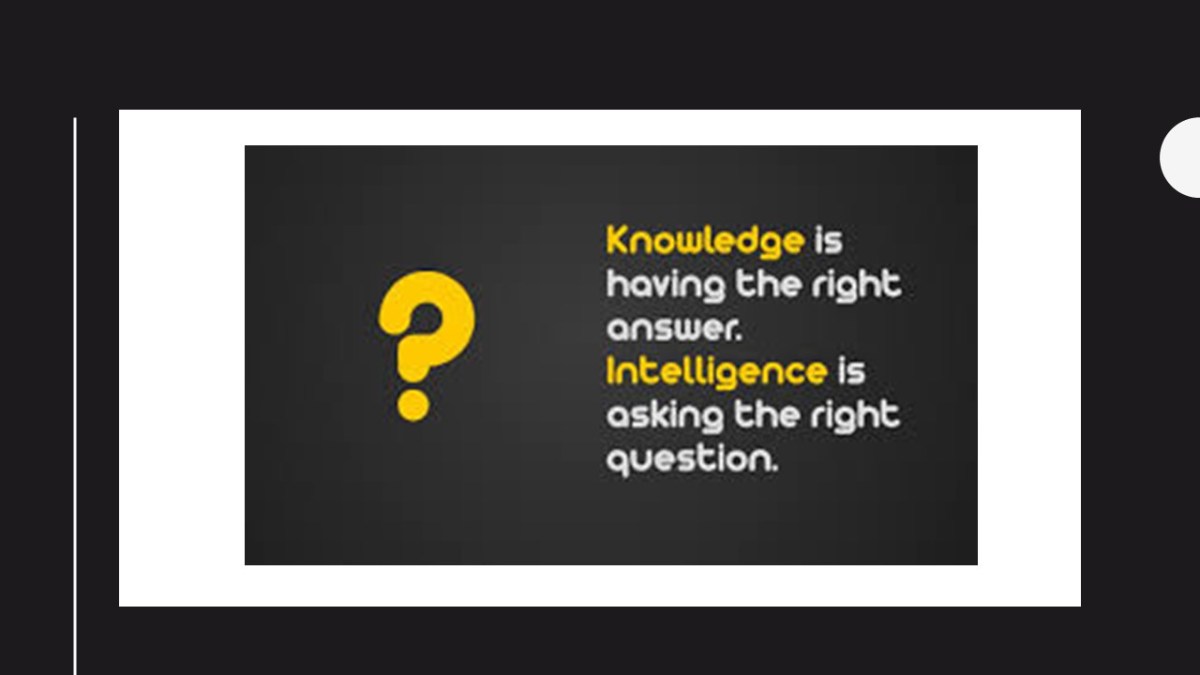
Today I want to focus on asking the right questions. Let’s suppose you have been talking with a merchant for weeks, and the merchant has an interest in your payment processing services. This also would be a very good merchant for both your portfolio and to have as a referral source.
Next you call the merchant and schedule a meeting with them. You have prepared for every possible question and feel strongly that you fit well with their needs. During the meeting, you get the impression that you are asking the right questions and addressing their needs. During the conversation the merchant suddenly asks, “So, how many employees do you have?”
It seems so random, but you go ahead and answer the question. You may say, well we have 10 or 50, or you may say we have two. The conversation continues with smiles and laughter, and ends on a high note.
But then a week goes by and you hear nothing. You attempt to call the merchant but can only leave a message, and your call is never returned. You call your other contacts but get nothing but voice mail. Your emails are only getting cursory replies. What happened?
If you are like every other merchant services salesperson, you start to replay the meeting with the merchant in your mind to identify what was said and what was shared to try and find a reason why the merchant was suddenly not interested but nothing stands out. In fact, all the questions from the merchant were as generic as the one he asked you about your number of employees.
But, when you think about it, wasn’t the number of employees question a little out of place? Why was that even brought up? Random.. right?
This scenario happens all too often. The sale was lost because you answered the question. Merchants and prospects tend to ask generic questions when trying to garner information about you, your company, and your credit card processing services. In this instance, the true meaning behind the question could have been, “How many people do you have that can help us convert our 20 something locations throughout the southwest?”
Of course, they don’t ask it in that way. It is up to the sales professional to question any question that seems vague or out of place. Yes, that’s right. I am saying you should answer a question with a question.
For example, in this instance you could say, “That’s an interesting question. What brought that up?” You have to clarify the question, drive past the generic facade, and determine the real reason for the question.
A lot of merchants ask questions this way. They are not just random questions, but can trap any merchant services provider into an answer that could cause you to lose the opportunity. In an effort to help, here are several questions I have heard, along with sample responses.
Q. Who does your settlement?
A. That is an interesting question. Have you had a negative experience with a settlement provider?
Q. What is your equipment preference?
A. It depends on the need. What is your preference?
Q. Where is your office?
A. My office or our corporate office?
Q. What time do we have to batch out?
A. It depends. Is there a reason why you’re concerned about batch time? Is there something that you have had an issue with before?
Q. What is your service level?
A. That’s a great question. Which types of service are you referring to? Have you had any concerns in the past?
All of these questions seem pretty basic, but questions that use “industry speak” like settlement time or batch time imply that there is more to the question than meets the eye. If they are asking about settlement, they have likely had a problem in the past. If they ask about your batch time, they have likely had a batch miss settlement.
Asking about service levels may imply that they are going to need more assistance then normal. A commitment to a certain level of service should be determined ahead of time. Always remember “Under promise and over deliver” Never promise something you can’t deliver on.
In each of these cases, the answer provided may be the completely wrong thing to say. So, the simplest solution is that when the merchant asks a question, you should pause for five to ten seconds and ask yourself,
“Why did they ask that?”
If the answer doesn’t quickly come to mind, don’t answer until you clarify and get to the root of what the merchant is really looking for.
Tell me, have you ever had an experience where there was more to a merchant’s question than meets the eye?
And how did you respond to it and were you able to eventually sign the merchant?
Happy selling,
David

 Payment Lynx Daily